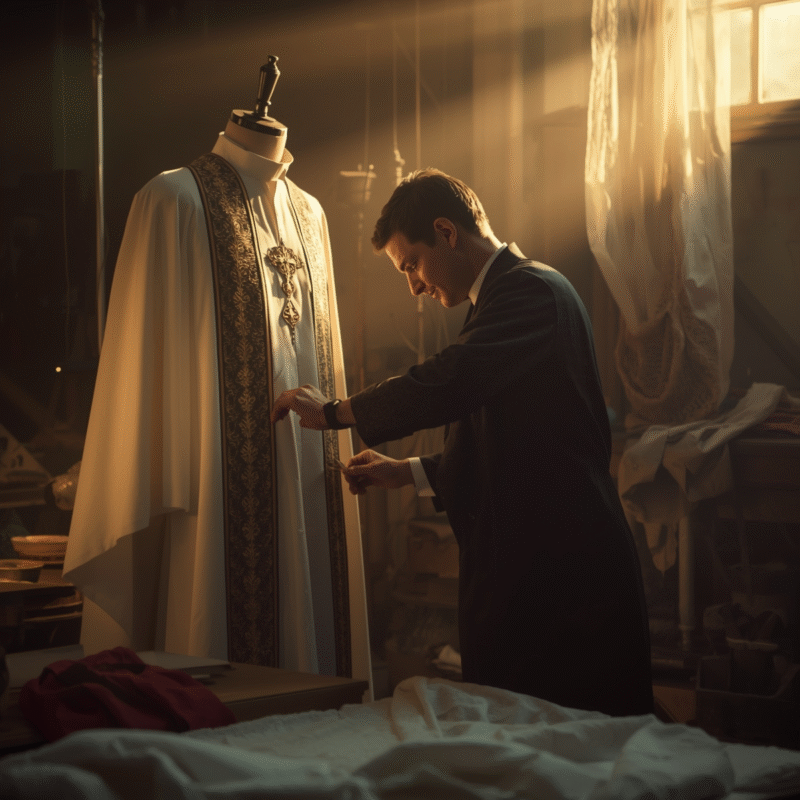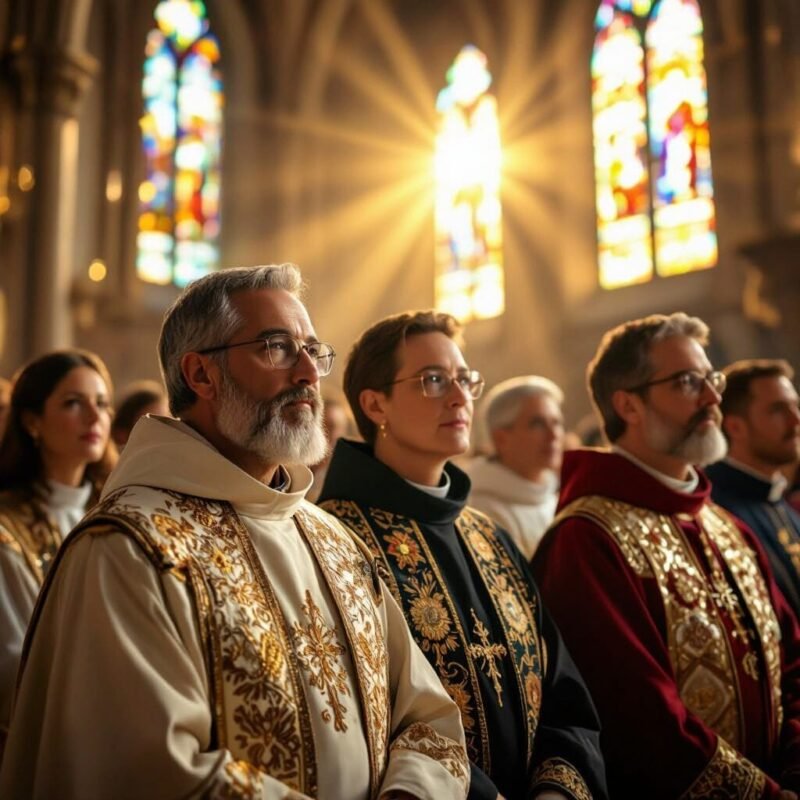

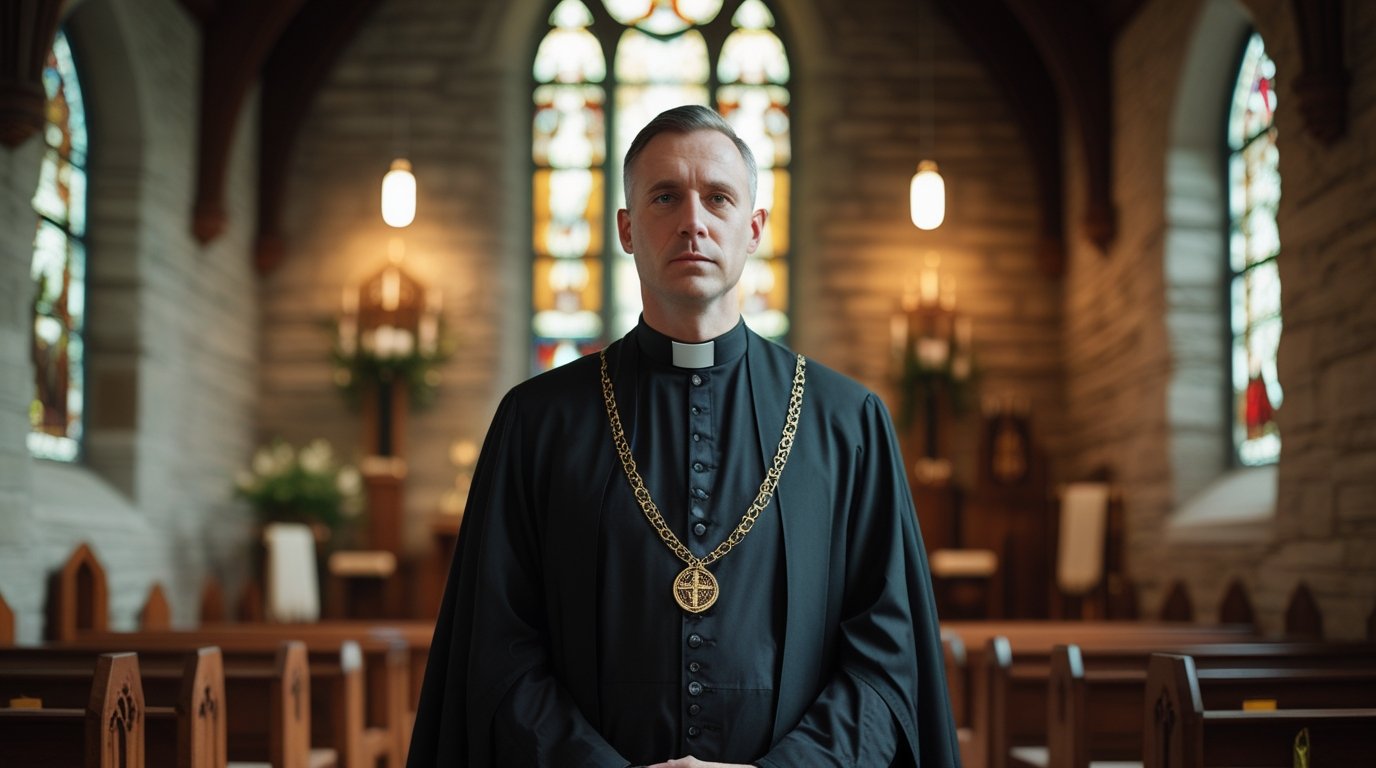
Priest robes have been worn in Christian worship for nearly two thousand years. From the simple white alb of the early church to the richly embroidered vestments of the medieval period, the garments worn by clergy carry layers of history, theology, and identity that extend far beyond their appearance.
Today, ministers across Catholic, Anglican, Episcopal, Methodist, Baptist, and non-denominational traditions continue to wear priest robes — not simply as a uniform, but as a visible expression of their sacred role. Whether you are being ordained for the first time, upgrading your ministry wardrobe, or simply trying to understand what different robes mean and how to choose the right one, this guide covers everything you need to know.
We will walk through the main types of priest robes, what each one means, which denominations wear them, what fabrics work best, and how to find the right fit for your calling.
What You Will Find in This Guide
What are priest robes? History and purpose
Priest robes — also called clergy robes, vestments, or church robes depending on the tradition — are the distinctive garments worn by ordained ministers during worship, sacraments, and official church duties.
The tradition of special priestly garments is ancient. In the Old Testament, God gave Moses detailed instructions for the garments of Aaron and the priests of Israel—robes of blue, purple, and scarlet, with embroidered details and specific symbolic meanings. These early garments set a precedent that carried into the early Christian church.
By the fourth century, as Christianity became the official religion of the Roman Empire, clergy began wearing garments distinct from ordinary Roman dress. Over centuries, these evolved into the diverse range of robes and vestments worn across denominations today.
The purpose of priest robes is threefold. First, they signal a distinct role — when a minister wears a robe, the congregation recognises that this person is set apart for sacred service. Second, they create continuity — wearing the same robe style connects today’s minister to centuries of faithful clergy. Third, in liturgical traditions, the specific robe worn at a given moment carries theological meaning — particular vestments mark the sacred significance of the action being performed.
Ministers across traditions rely on more than just robes — explore our clergy attire guide for a complete breakdown of what every ordained minister should wear for different ceremonies and seasons.
The Main Types of Priest Robes
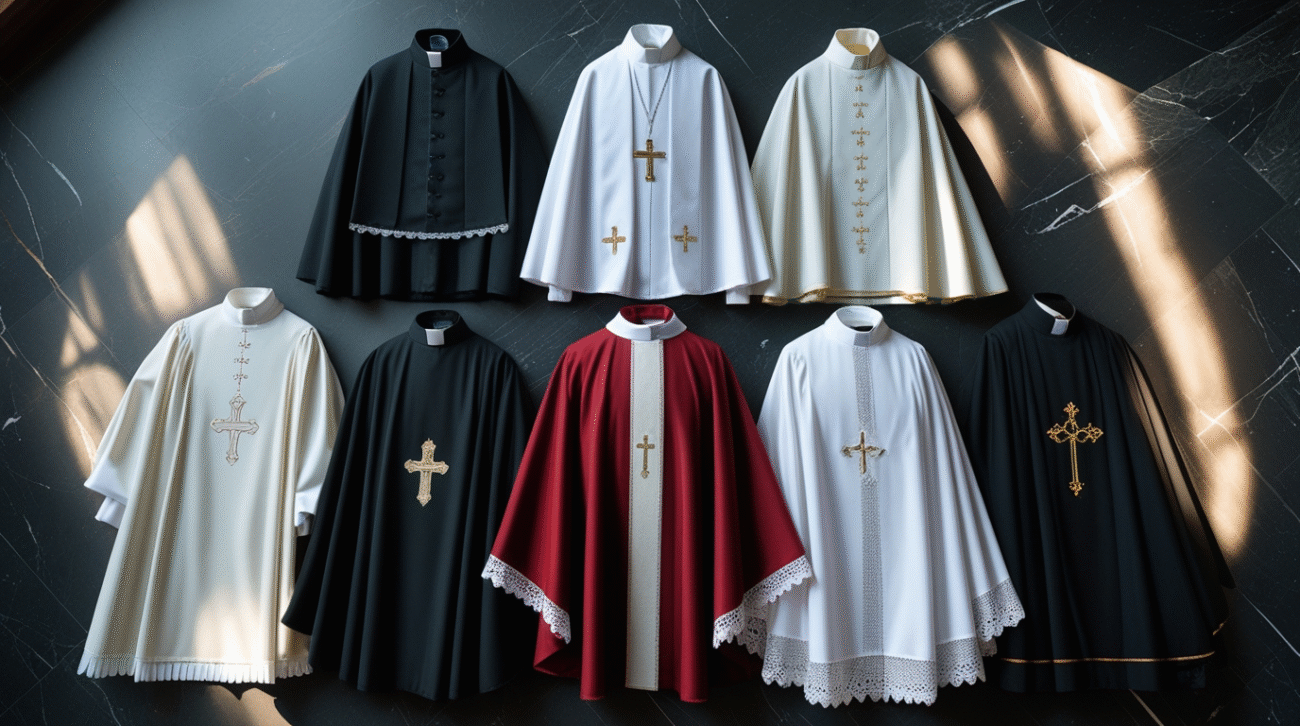
Understanding the different types of priest robes requires knowing both their function and the tradition they come from. Below are the most common types worn in Christian ministry today.
The Cassock
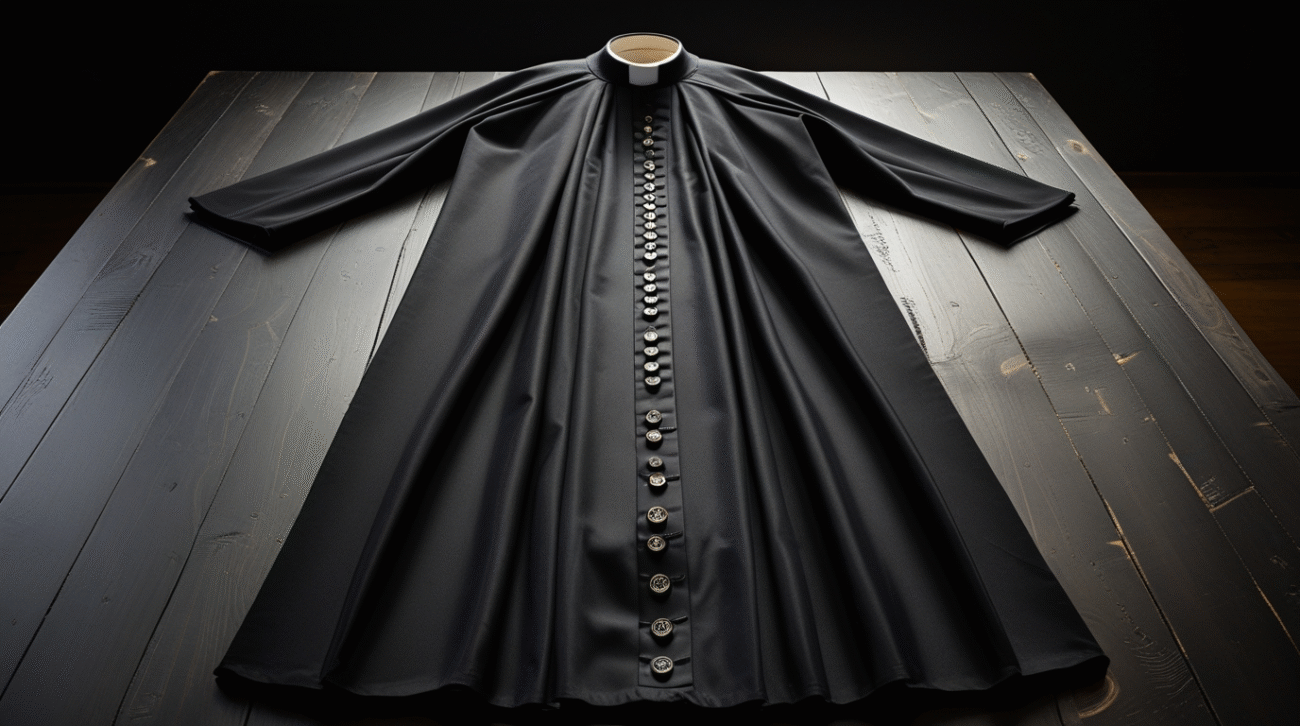
The cassock is perhaps the most iconic of all priest robes. It is a long, full-length garment — typically reaching the ankles — worn as basic clerical dress across Catholic, Anglican, Orthodox, and many Protestant traditions. The cassock can be worn as everyday clerical dress as well as for liturgical services.
Cassocks come in several colours with distinct denominational meanings. Black is standard for priests and ministers across most traditions. Purple cassocks are worn by bishops and cathedral canons in some denominations. Red cassocks are associated with cardinals in the Catholic Church. White cassocks are worn by the Pope.
The Anglican cassock typically features 39 buttons down the front — symbolising the 39 Articles of Religion. Double-breasted cassocks are also common in some Anglican and Episcopal contexts.
The Alb
The alb is a long white robe worn as the foundational vestment in Catholic, Anglican, and many liturgical Protestant traditions. The word ‘alb’ comes from the Latin ‘alba’, meaning white, and its colour carries the symbolism of baptismal purity and resurrection.
The alb is typically worn underneath other vestments such as the stole, chasuble, or cope. It serves as the base layer for formal liturgical dress. Modern albs may feature a hood or amice and are available in polyester, cotton, and linen blends.
The Surplice
The surplice is a shorter white garment — typically reaching to the knees or hips — worn over the cassock. It is one of the most widely recognised garments in Anglican, Episcopal, Lutheran, and Catholic traditions.
The surplice is distinguished from the alb by its length and by the fact that it is worn over the cassock rather than as a standalone garment. It often features lace trim or embroidered edges, and its style varies between High Church and Low Church traditions. To understand the full range of surplice styles and how to wear one correctly, read our dedicated clergy surplice guide covering Anglican, Catholic, and Lutheran variations.
The Geneva Gown
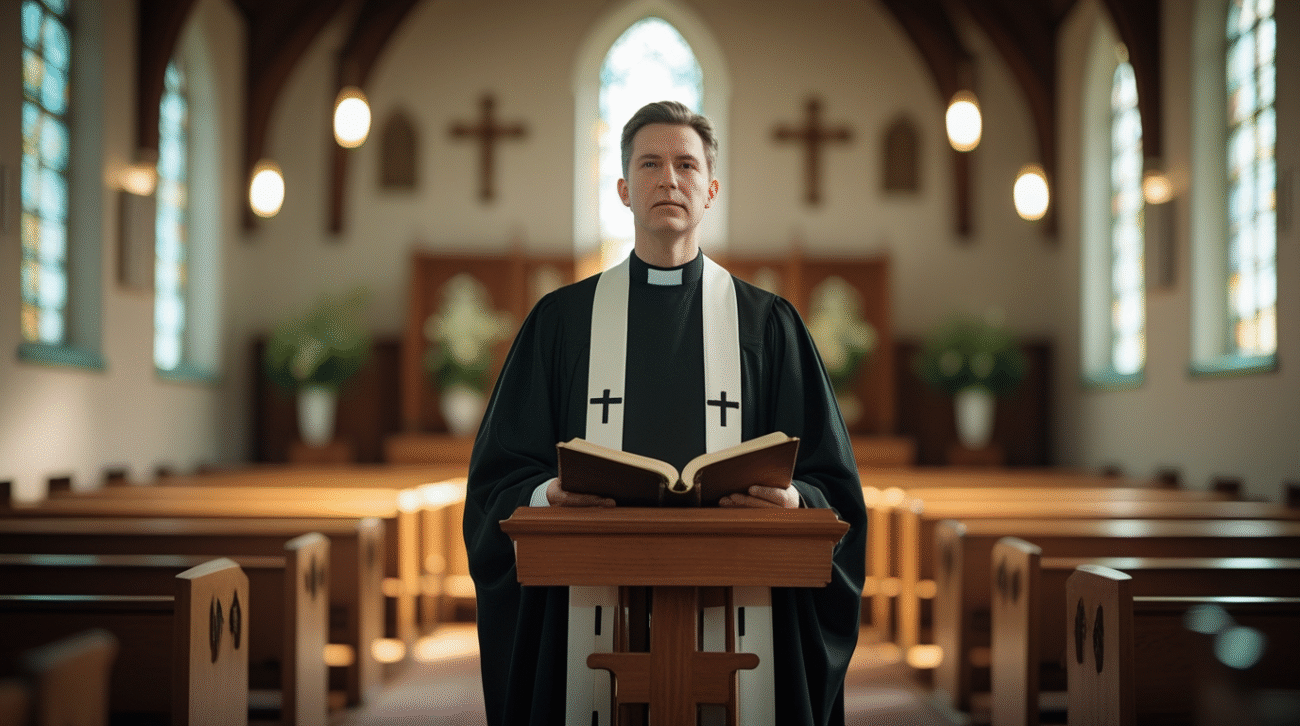
The Geneva gown — also called the preaching gown — is a long black robe most commonly associated with Reformed, Presbyterian, Baptist, and non-liturgical Protestant traditions. It takes its name from Geneva, Switzerland, where John Calvin adopted it as appropriate dress for Reformed ministers.
The Geneva gown reflects the theological conviction that the minister is a preacher of the Word rather than a ritual officiant. It is typically made of black polyester or wool blend with a simple design and academic styling.
The Rochet
The rochet is a white linen vestment resembling a surplice but with narrower sleeves, worn by bishops and certain senior clergy in Anglican, Catholic, and Episcopal traditions. It is typically worn over a cassock and under a chimere. For a deeper look at its history and liturgical role, read our complete clergy rochet guide — covering Anglican, Catholic, and Episcopal traditions.
The Chimere
The chimere is a sleeveless gown worn by Anglican and Episcopal bishops, typically over the rochet. Most commonly seen in red or black, it is a distinctive garment of episcopal authority. The combination of rochet and chimere is the traditional full dress of an Anglican bishop.
The Chasuble
The chasuble is the principal Eucharistic vestment worn by the presiding priest during Mass in Catholic and High Anglican traditions. It is a large outer garment worn over the alb and stole, and its colour changes with the liturgical season — purple for Advent and Lent, white for Christmas and Easter, red for Pentecost and green for Ordinary Time. Each of these garments is part of a broader vestment system — our clergy vestments guide explains every church garment type, when it is worn, and what it symbolises.
Which Denominations Wear Which Robes
One of the most common questions about priest robes is which garments belong to which tradition. The table below provides a quick reference.
| Denomination | Common Robes Worn |
|---|---|
| Roman Catholic | Cassock, Alb, Chasuble, Dalmatic, Cope, Stole — colour varies with liturgical season |
| Anglican / Episcopal | Cassock, Surplice, Rochet, Chimere (bishops), Cope, Chasuble (High Church) |
| Lutheran | Alb, Stole, Geneva Gown — varies by congregation and tradition |
| Methodist | Geneva Gown, Stole — simpler vestment tradition |
| Presbyterian / Reformed | Geneva Gown — plain, academic styling, minimal vestments |
| Baptist | Geneva Gown or no robe — varies widely by congregation |
| Orthodox Christian | Distinct vestment tradition: Phelonion, Epitrachelion, Sticharion |
| Non-denominational | Geneva Gown, simple clergy robe, or no robe — depends on church culture |
Vestment practice within denominations varies considerably. When in doubt, consult your denomination’s guidelines or speak with your bishop or church leadership.
Choosing the Right Fabric for Your Priest Robe
The fabric of your priest’s robe affects how it looks, how long it lasts, and how comfortable you are during services.
Polyester
Polyester is by far the most practical fabric for priest robes worn regularly. It is machine washable, resistant to wrinkling, holds its colour over time, and is significantly less expensive than natural fibre alternatives. If you are buying your first priest robe or need a garment for frequent weekly use, polyester is the sensible choice.
Wool
Wool cassocks and Geneva gowns have a weight and drape that polyester cannot replicate. Wool is warmer, more formal in appearance, and produces the deep, rich black associated with traditional clergy dress. It is the preferred fabric for formal and ceremonial occasions. The trade-off is that wool requires dry cleaning and is more expensive than polyester.
Cotton and Linen
Cotton and linen are common fabrics for albs and surplices — garments where white colour and lightness are important. These natural fibres breathe well, making them comfortable for ministers officiating long services.
Choosing the wrong fabric is one of the most common mistakes ministers make when buying their first robe — our dedicated guide to the best fabrics for clergy robes covers every material in detail, including how each one performs across different climates, ceremony lengths, and washing routines.
How to Find the Right Fit and Size
A poorly fitting priest robe is immediately noticeable to a congregation. Here is how to measure for the right fit.
- Height: the most important measurement. Most clergy robes are sized to fall within one to two inches of the floor. Measure from the nape of your neck to the floor while standing in the shoes you will wear during services.
- Chest: measure around the fullest part of your chest, keeping the tape parallel to the floor. Add two to three inches for comfortable movement.
- Shoulder width: measure from the outside edge of one shoulder to the other across your back.
- Sleeve length: for cassocks with sleeves, measure from the centre back of your neck, across the shoulder, and down to the wrist.
- Weight considerations: choose a lighter fabric for warm climates or summer services. For colder climates, a heavier wool or polyester-wool blend will look more formal and feel more comfortable.
When ordering online, always compare your measurements against the retailer’s specific size chart rather than relying on standard sizing. A one-inch difference in height can significantly affect the appearance of a clergy robe.
Caring for Your Priest Robes
A quality priest robe, properly cared for, should last many years of regular use.
- Always check the care label before washing. Polyester robes are generally machine washable on a gentle cycle with cold water. Wool robes require dry cleaning. Linen and cotton albs can usually be hand-washed or machine-washed on a delicate cycle.
- Hang robes immediately after washing on a wide, padded hanger. This prevents shoulder distortion and helps the fabric retain its shape.
- Steam rather than iron where possible — a garment steamer is gentler on fabric and more practical for long robes.
- Store cassocks and robes hanging in a breathable garment bag. Avoid compression in a drawer or box, which causes permanent creasing.
- For white garments — albs and surplices — treat any stains promptly. White polyester is particularly susceptible to yellowing if stained fabric is exposed to heat before cleaning.
- Rotate between two robes if you officiate weekly services. Allowing a robe to rest between uses significantly extends its lifespan.
Where to Shop for Priest Robes
When choosing where to buy your priest robes, look for retailers who specialise specifically in clergy attire rather than general costume suppliers. A specialist retailer will offer accurate liturgical sizing, appropriate fabric options, and an understanding of the specific requirements of different denominations. Browse our full collection of clergy robes for men — including cassocks, surplices, Geneva gowns, and vestment sets designed for active ministry use.
At Worship Attires, we carry a dedicated collection of clergy robes for men across all the styles covered in this guide — from traditional black cassocks and white surplices to full Geneva gowns and vestment sets. Each garment is designed specifically for active ministry use, with attention to both liturgical accuracy and practical comfort.
For female ministers, we also carry a growing range of women’s clergy robes and vestments designed for the specific fit and style requirements of women in ministry. Female ministers can explore our dedicated range of women’s clergy robes — tailored styles built for the specific fit and ceremonial requirements of women in ministry.
Final Thoughts
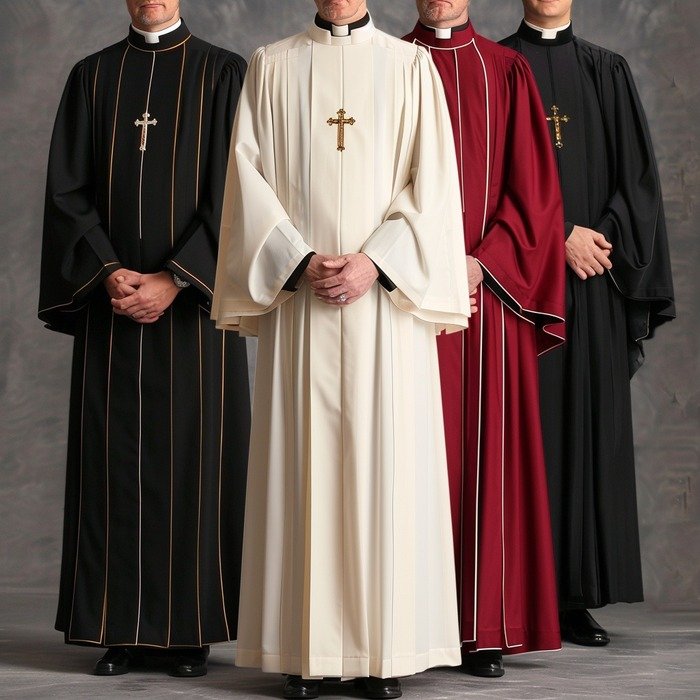
Priest robes are more than garments. They are a visible statement of vocation, a connection to centuries of faithful ministry, and for many traditions, a liturgically significant part of worship itself. Whether you are choosing your first cassock, updating a Geneva gown, or building a complete vestment set for a new parish, the right robe — well-fitted, appropriate to your tradition, and made from quality fabric — will serve you faithfully for years.
If you have questions about which style is right for your denomination or need help with sizing, explore our full clergy robe collection or contact the Worship Attires team directly. Ministers who wear robes for liturgical services often also need a well-fitted suit for pastoral visits and non-liturgical events — explore our clergy suits for men for options that match the same standard of quality.