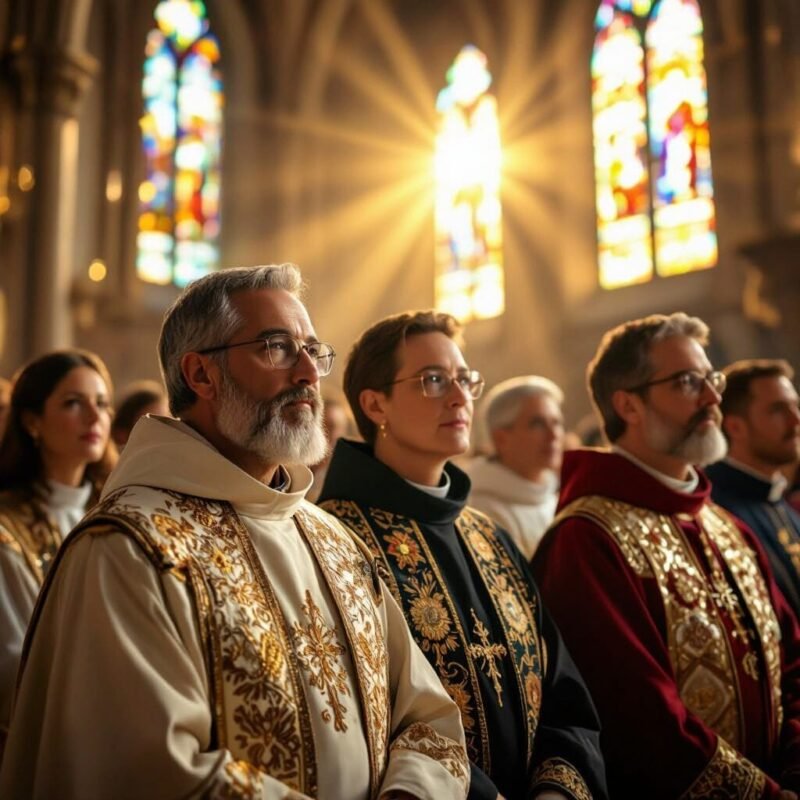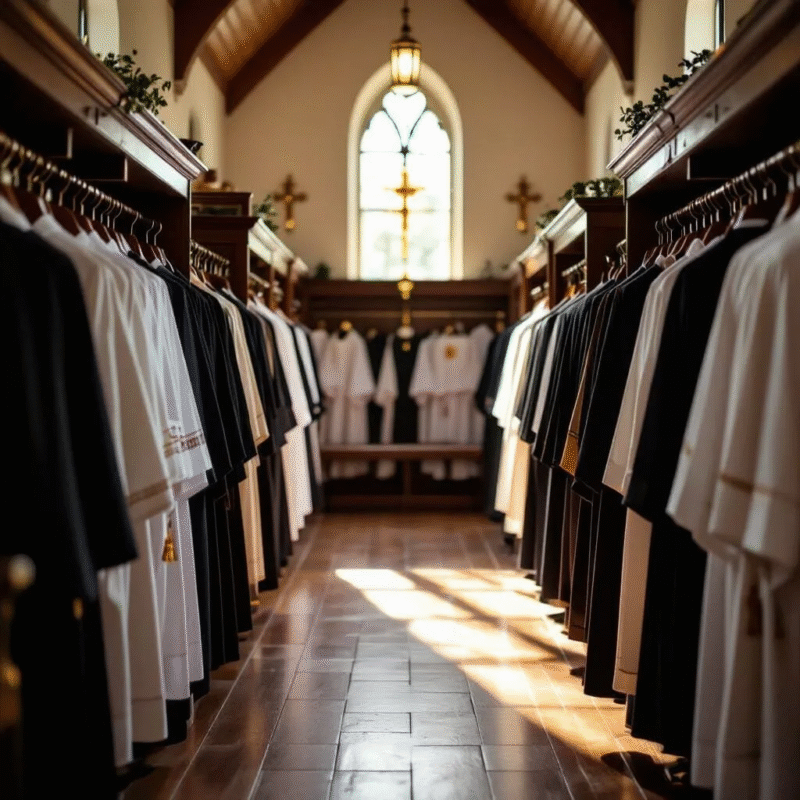

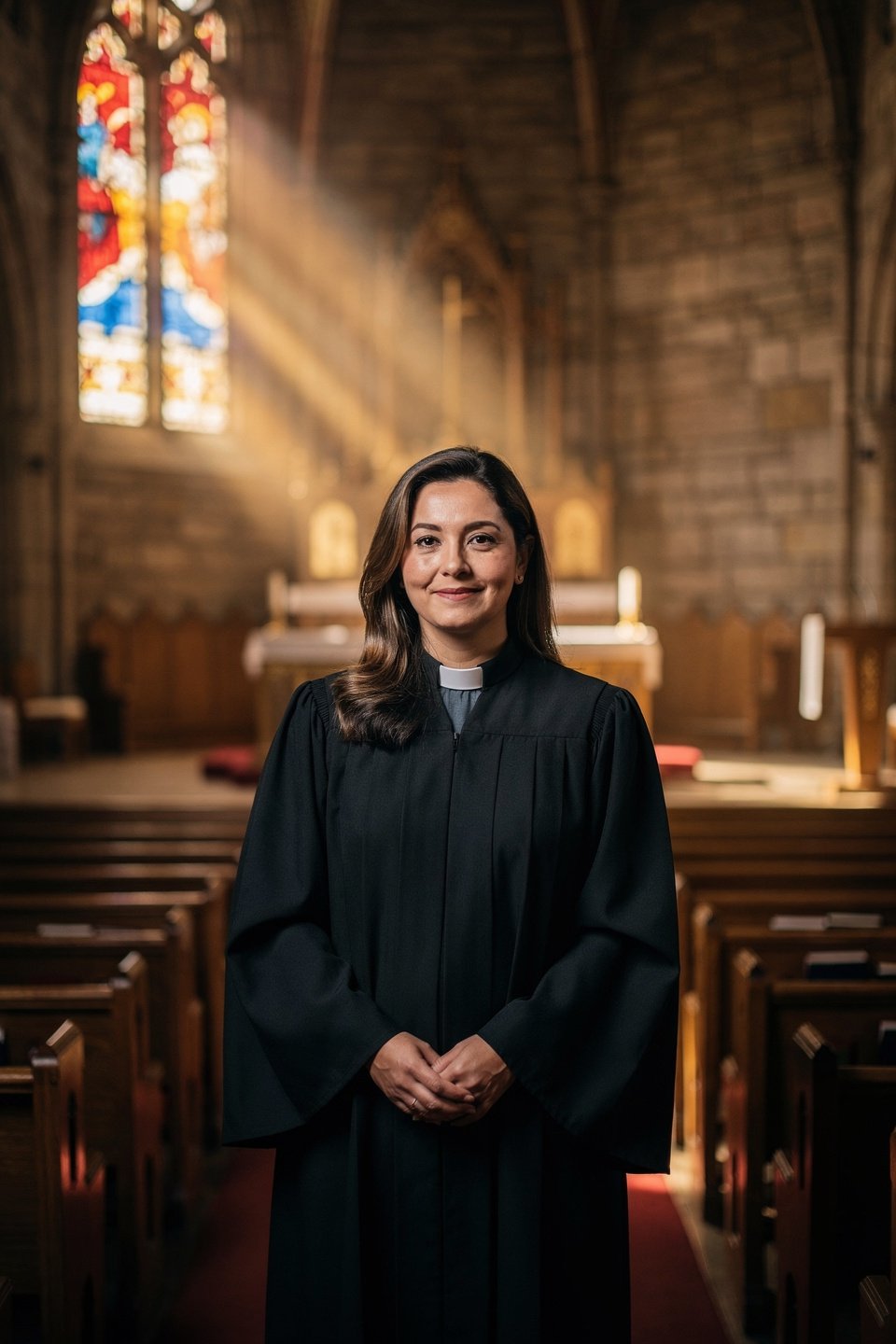
Ladies clergy robes are tailored liturgical garments embodying a special attention to support artistry, comfort, reverence, and the touch of deft theological artistry needed to support women in the ministry. Each liturgical women clergy robe embodies both the spiritual dignity and the practical functionality required to serve the diverse needs of the liturgical ministry.
This guide will provide the information needed to understand the most common styles of clergy robes for women, the most suitable materials for comfort and durability, relevant sizing considerations, and a succinct ministry context tapestry to help you select the robe. If you are actively exploring options, you can browse the full collection of clergy robes for women to see how traditional design meets modern craftsmanship.
What Are Ladies Clergy Robes?
Ladies clergy robes are the long and flowing garments that have the special touch of deft theological artistry that is needed to support the ministry of women in the church. However, women’s clergy robes are also designed to offer a purposeful, functional artistry that supports the movement of the minister and liturgical dance.
Women’s clergy robes are designed with the following points in mind:
- Tailored shoulders that create a commanding effect.
- Wider sleeves in a ceremony style.
- Front or hidden closures that assist with a clean look.
- Removable parts for changing weather.
Within the broader category of vestments for women, clergy robes serve as foundational garments, often layered with stoles, chimeres, or surplices depending on denominational tradition.
Most Popular Styles of Women Clergy Robes
The best way to understand patterns is to avoid costly errors and keep them in line with the tradition of your church.
1. Classic Pulpit Robes
These robes are long, with large sleeves and a pronounced collar. They are great for preaching and other formal services. They are the best in showing dignity and demonstrating the authority of the clergy.
2. Cassock-style Robes
These robes are based on the classic clerical style and feature a more fitted fit. For clergy in the liturgical tradition, it is a great match with the robes & cassocks for women collection.
3. Chimere and Layered Designs
For more formal events, such as ordinations or services with bishops, a robe with a chimera is a great choice, as it enhances the look and elevates the ceremony. Check out the clergy chimere for women for structured options.
4. Modern Minimalist Robes
These styles highlight a soft, delicate aesthetic with modern simplicity, creating a safe and sacred space. Ideal for contemporary worship settings.
Best Fabrics for Ladies Clergy Robes
The selection of the fabric directly impacts the Comfort, Durability, and overall Appearance under the lights.
Polyester Blends
- Durable and wrinkle-free
- Ideal for frequent use
- Holds its shape through long services
Tropical or Lightweight Weaves
- Breathable and easy to wear in warm climates
- Comfortable for extended wear
- Ideal for summer worship services
Wool Blends
- Premium Look
- Sturdy draping and structure
- Ideal for formal ceremonies
For long-term maintenance, follow the care instructions to preserve the fabric’s quality and prevent color fading.

Sizing: How to Achieve the Best Fit
Sizing can be the most important factor when selecting ladies clergy robes and can be the most overlooked. An ill-fitted garment can restrict movement and, if poorly fitted, one’s posture and overall presentation.
Here’s what to examine:
- Shoulder Fit – should fit with natural ease and not be pulling.
- Sleeve Length – should be comfortably movable and not too bulky.
- Robe Length – traditional robes should extend to just above the ankle.
- Layering allowance – Consider for stoles or other garments.
Tailored sizing often yields a more polished, self-assured appearance, as women’s body shapes vary widely. Contacting the team via the Contact Page ensures clarity before purchase if you need assistance before placing an order.
Choosing the Right Ladies Clergy Robe for Your Ministry
Choosing the right robe is about finding the right balance between your theology, the traditions of your church, and practicality.
Step 1: Understand the Requirements of Your Denomination
While some churches are open to more liberal styles, others insist on more formal liturgical addresses.
Step 2: Assess Frequency of Use
If preaching is part of your weekly routine, choose a more durable fabric. For more ceremonial purposes, you can choose a more luxurious fabric.
Step 3: Consider the Weather
If you live in a warmer climate, you’ll want to select lightweight fabrics. If you live in a cooler climate, then fabrics with more structure are preferable.
Step 4: Plan for Coordination
A cohesive wardrobe for clergy might include:
- Surplices from the collection of clergy surplices for women
- Formal clothes that go well with each other, like clergy suits for women, for events that aren’t religious
- Coordinated aprons for ceremonial work
Step 5: Consider long-term investment.
Quality workmanship will keep your robe looking dignified and well-structured for years to come. If you would like to understand more about the values that guide the brand’s craftsmanship, you can read more on the About Us page.
Common Mistakes to Avoid When Purchasing Ladies Clergy Robes
- Selecting a style before knowing the church hierarchy.
- Not considering fabric weight in relation to the weather.
- Ordering standard sizes without verifying measurements.
- Choosing embellishments that go against your denomination’s policies
- Underestimating how much upkeep will be involved.
Avoiding these mistakes saves money and helps shape how your ministry is portrayed.
Ladies Clergy Robes Versus Other Clergy Attire
While robes are the centerpiece, they are part of a comprehensive liturgical attire.
- Rochets offer a lighter, more layered look for formal services.
- Chimeres add episcopal depth and tradition.
- Surplices provide a ceremonial, layered look.
- Cassocks highlight historical continuity.
For male clergy counterparts or coordinated church leadership apparel, analogous garments are also available in the broader men’s collections, including clergy robes, which are useful for congregations seeking uniformity across ministry leadership.

Final Thoughts
Ladies clergy robes are more than just clothing; they are outward signs of vocation, ministry, and the call to serve. With the right robe, you will be able to serve in your ministry with confidence and grace.
When quality craftsmanship, precise measurements, and careful design work together, the result is instrumental and deserves more than to be clothing. It is a considered choice that will allow your robe to be put to good and faithful use while embodying your ministry and purpose.
Frequently Asked Questions
Q1: What is the difference between ladies clergy robes and cassocks?
While clergy robes are typically pulpit-centered, cassocks are more fitted and much more historically styled.
Q2: Can women clergy wear the same style as men?
Though they may look the same, women’s clergy robes are designed differently to allow for movement and comfort.
Q3: What fabric is best for all seasons?
All-season fabrics are a midweight polyester blend, making them more durable and cost-effective.
Q4: How long should a clergy robe be?
They are typically designed to be ankle-length to maintain modesty while allowing a full range of motion.
Q5: Are ladies clergy robes suitable for all denominations?
They are still appropriate for all denominations, with most Protestant and liturgical denominations embracing them, although specific styling may vary by denomination.