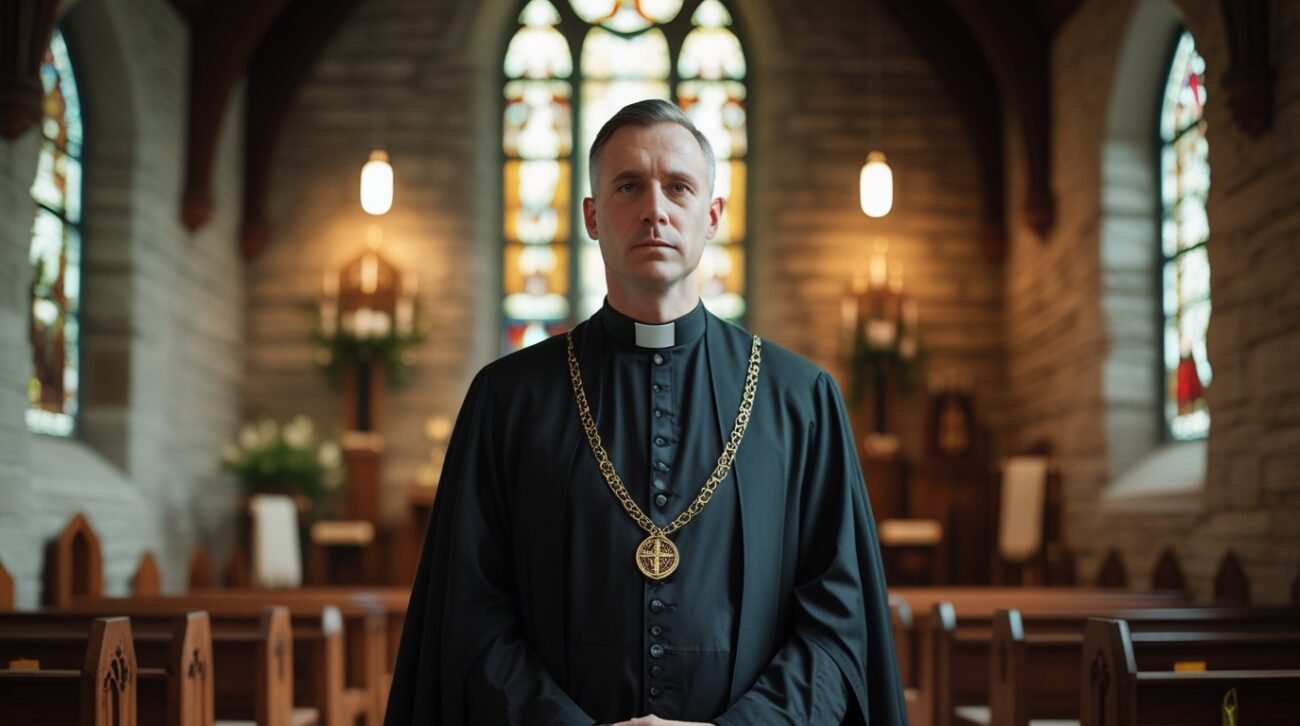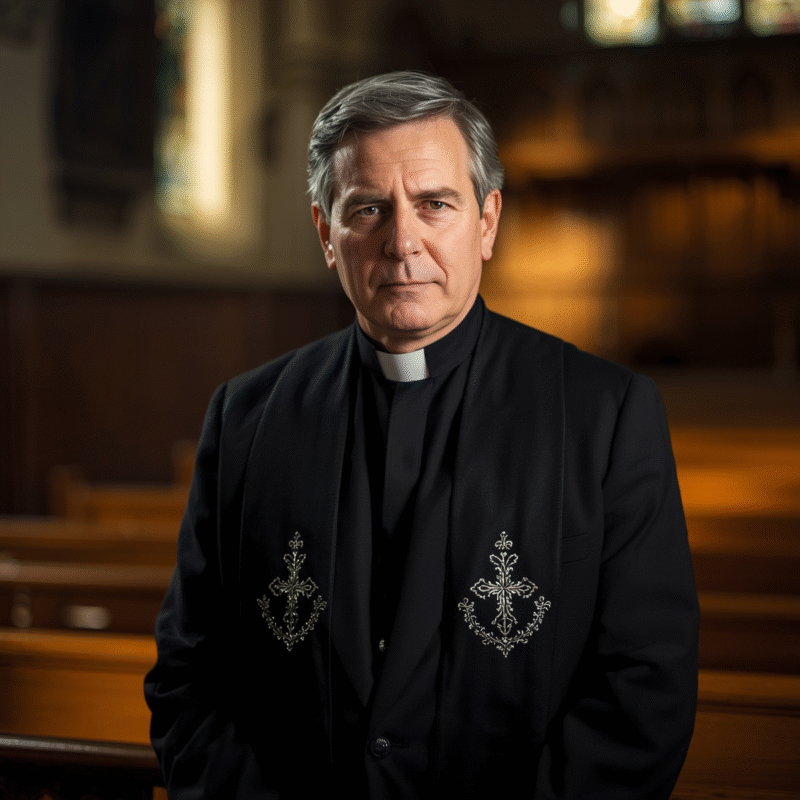

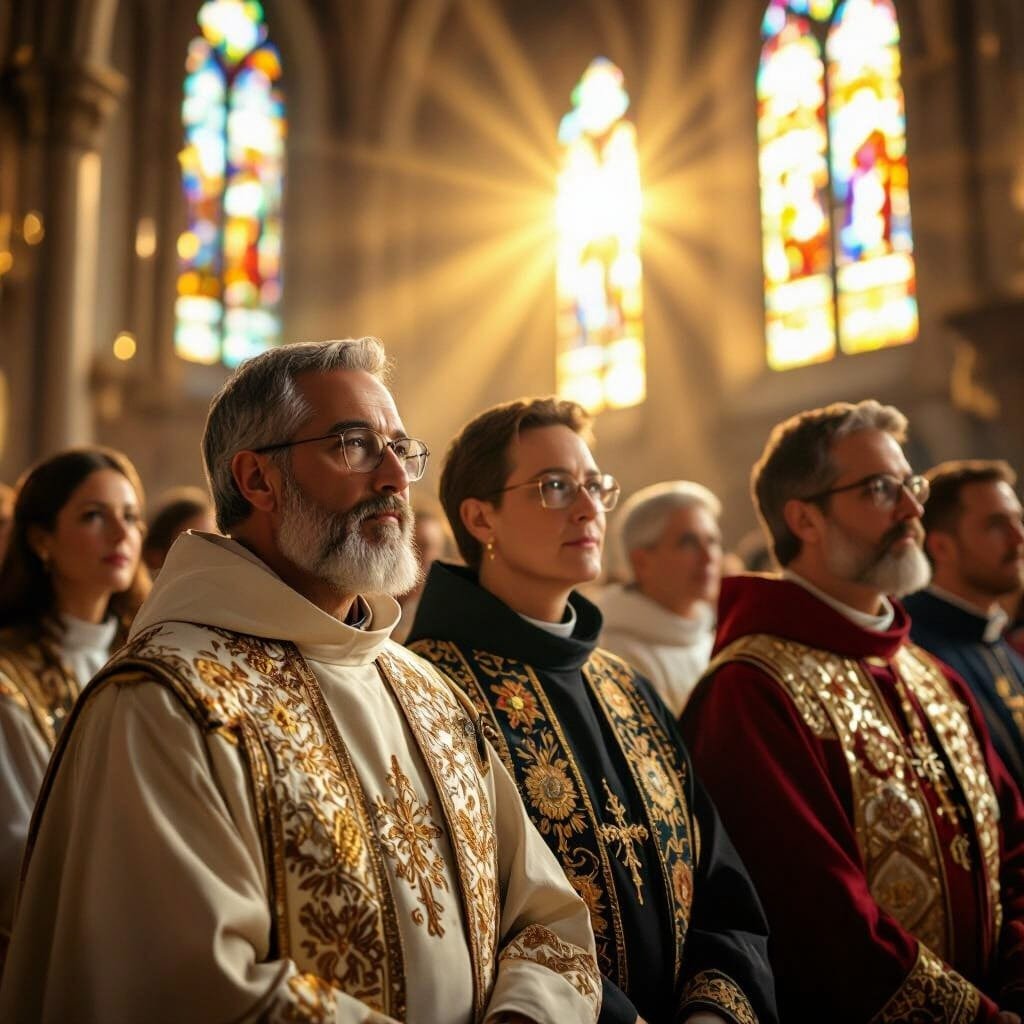
In every holy place, prayer and hymns in words are raised to heaven — but even more powerful are the silent expressions of loyalty that exist in the clothes clergy wear. Clergy vestments are not just clothes; they are signs of the calling, faith, and service. Every robe, stole, and cassock reveals a story without words — one that has been shaped by countless years of sacred tradition and is now brought to life again through modern artistry.
Worship Attires places the craft of making clergy vestments above all else — a commitment to the faith that the very threads are transformed into expressions of divine purpose. The clergy’s clothes, through their color, form, and symbolism, continue to convey a visual language of worship that has not only inspired reverence for God and unity in His house but also among people.
The Significance Inherent in Each Stitch
Holy dresses were visible reminders of spiritual identity long before any written words existed. Clothing has always been full of meaning, from the priests’ robes in ancient temples to the clergy vestments used during Christian liturgy today. Vestments do not merely serve the purpose of decoration; they denote the transference from the common to the holy.
A minister’s putting on the robe or stole marks a blessed event — a physical showing of entering into service. The white surplice symbolizes purity; the cassock, modesty; and the stole, the burden of Christ’s ministry. Every detail — the fabric’s flow, the color of the trim, the heavy quietness of the fabric — all become an act of visual worship.
Visit the Vestments for Women section at Worship Attires, and witness modern artists combining holy symbolism with sophisticated design, thereby keeping the faith heritage alive through present-day craftsmanship.
Contemporary Devotion Meets Perpetual Design
Although the clergy vestments are rooted in the past, they have continued to evolve over the ages. The modern clergy seeks to wear clothing that conveys the seriousness of traditional worship and the comfort and elegance of contemporary ministry. Now, sacred garments are both functional and beautiful because they are made of lightweight fabrics, have tailored fits, and are decorated with refined accents.

Women’s clergy have, in particular, experienced this change emphasized with elegance. Today’s clergy vestments for women are designed to ensure coverage while maintaining sophistication, and thus, service and style are in perfect harmony. The Women’s Clergy Suits collection at Worship Attires is a celebration of this fusion—items that carry on the tradition while empowering women in the church and their faith.
Clergy Vestments as the Language of Faith
The clergy vestments are rich in meaning through the use of symbols, colors, and traditions. They reveal the spiritual rhythm of the liturgical year and the dignity of the office the wearer holds. The theological significance is in every color, every fold — the silent sermon that is very effective and touches the soul directly.
- White: Purity, joy, and resurrection are the main themes of this color; besides, it is the common color during the sacraments of birth and Easter time.
- Purple: It is the color of penance, meditation, and making oneself ready, being the main color for Advent and Lent.
- Green: It symbolizes the growth and renewal of faith, reflecting the believer’s journey through ordinary time.
- Red: It is the sanctity of the Spirit — the light of God’s inspiration.
- Gold: The color of heaven and victory, it is mainly worn on high feast days.
Such color language is a powerful means of communication that brings the congregation together and helps them to see the spiritual message coming through. It is the very same attractiveness of the Clergy Robes for Men collection at Worship Attires that no doubt speaks of the timelessness of the rite and the seasons; garments that show reverence during every season of service.
The Divine Aesthetics of Worship
In the very texture of the clergy vestments — their softness, shape, and color—all the quietness of reverence can be felt. A sermon’s fabric catching light, a holy person’s rustling robes as they walk toward the altar, the beautiful stoles’ color harmony during a hymn—all of these are not just part of the worship experience but elements of it.
Thus, vestments are more than just pieces of fabric. They represent the invisible faith presence that leads the worshippers’ hearts to the attributes of God and to worship. They communicate that through their very design, beauty can be a way of cult, a connection between heaven and earth.
The Robes & Cassocks for Men collection showcases the same artistry found in men’s clergy vestments, featuring sacred aesthetics and offering timeless designs for those who wish to express their faith through both word and form.
The Role of Craftsmanship in Sacred Attire
Real vestments, not mass-produced ones, are the result of careful work. The guiding hand in every thread is that of both an artist and a reverent person. The selection of fabric, deciding the position of seams, and embroidery on cuffs all contribute to garments that are worthy of worship.
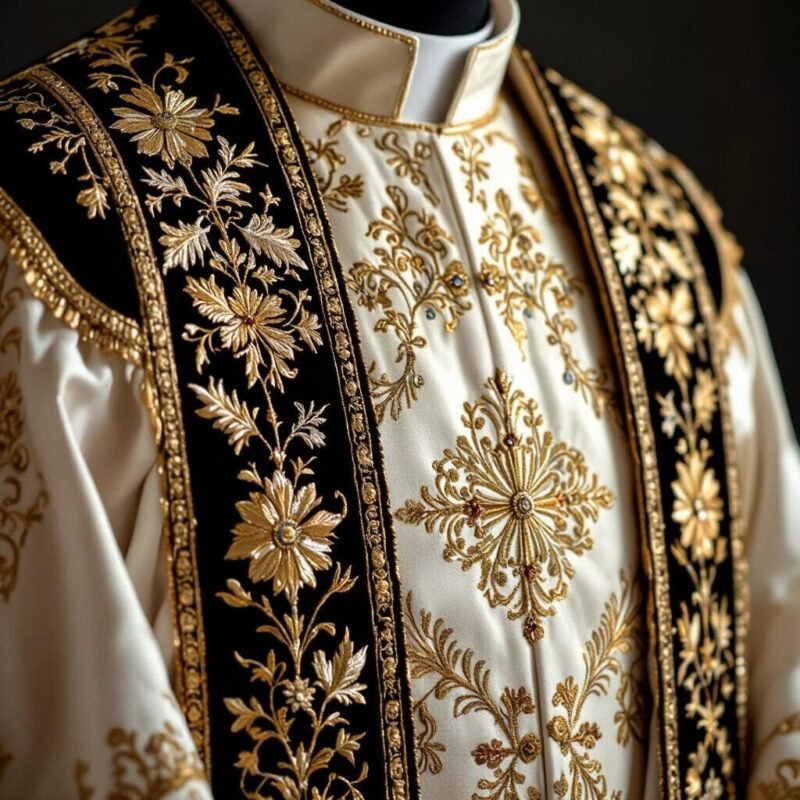
The craftsmanship of clergy vestments showcases the devotion of the ministry. A skilled maker views each item as a sacred trust, ensuring the fabric is exceptionally soft, the colors are accurately chosen, and the overall appearance evokes a gracious setting. This kind of artistic effort transforms the vestments from mere clothing into lifelong emblems of the faith.
Worship Attires artisans are aware of this holy duty. Their robes, cassocks, and surplices are created to show both the spiritual lives of the wearers and the tradition—each detail is an indication of the godly respect they symbolize.
Conclusion: The Unspoken Prayer of Fabric
Eventually, the clergy vestments are prayers — not uttered but displayed. They signify that faith can be experienced through the elements of texture, color, and movement. A meticulously crafted robe or stole not only adorns the clergy; it also conveys the spirit, humility, and divine beauty.
Each sacred garment testifies to the visual poetry of worship — the way God’s grace is mirrored in artistry and devotion together. When the clergy appear before their worshippers adorned in symbols of their vocation, their vestments declare in a very visible manner: This is faith made concrete. This is a service made lovely.