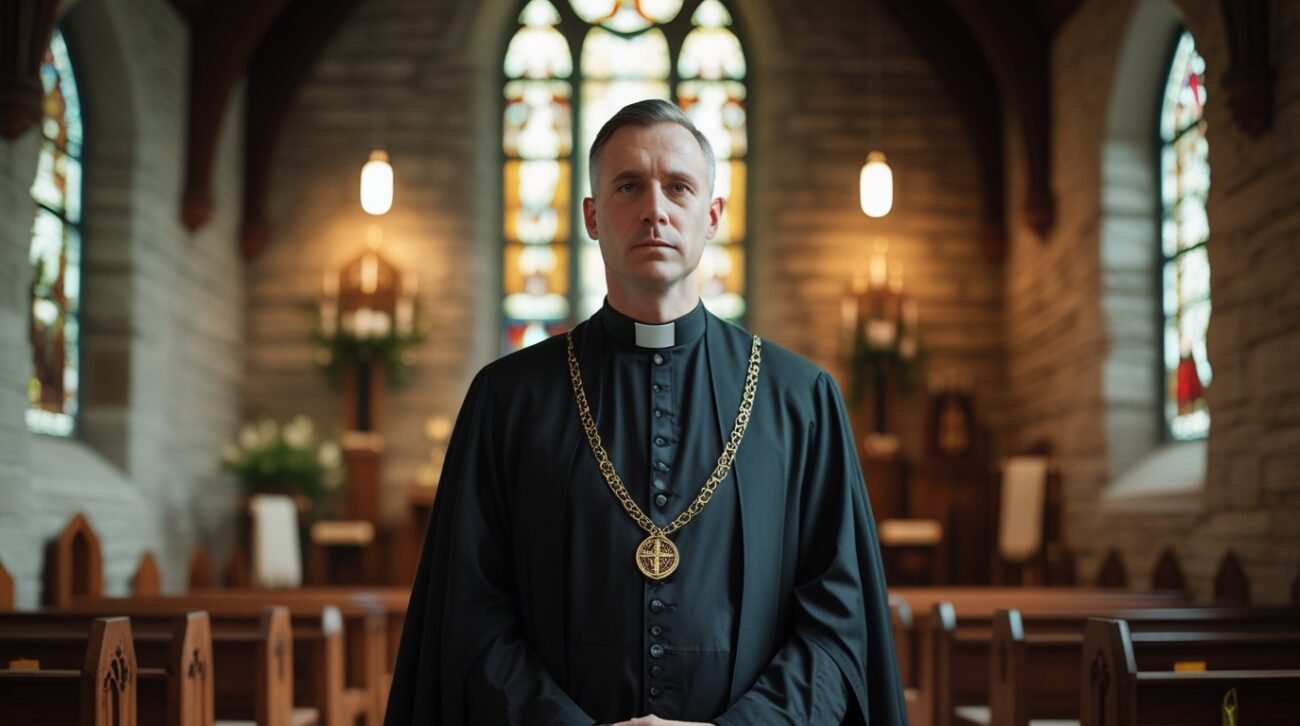

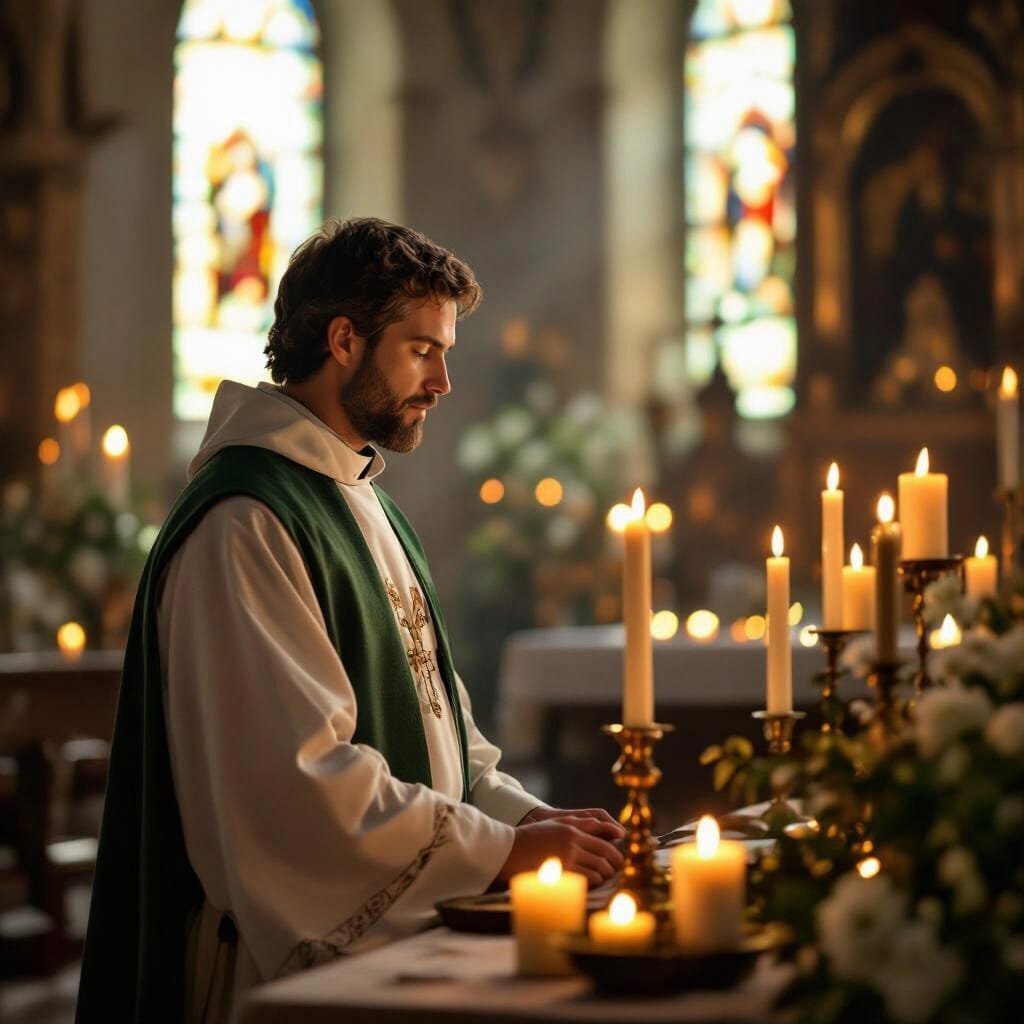
Through the ages, churches have been dressed with colors, textures, and garments that signify the holiness of the congregation before God. Among them, the priestly vestments are at the top—not only as one kind of clothing, but also as one of the main forms of reverence, humility, and service. The vestments include the wonderful flowing of a chasuble and the neatness of a surplice, each vestment having a voice of its own. The custom is not only historical—it is firmly spiritual, even today, worship is explicated as divine.
The Spiritual Meaning of Vestments
The origin of vestments goes back to the early church period, when garments were given symbolic meanings in daily life. The vestments of the minister were never unimportant during worship. The characters of the liturgy, the church year season, and the divine duties of the clergy were represented by the vestments’ colors, fabrics, and styles.
Vestments have always been referred to as visual theology. They are silent but eloquent, sending out the following messages:
- Awe of the sacredness of worship
- Ministering to the people of God
- Being one with the tradition of the past centuries
- Lowly before the Almighty
Even today, these garments still influence worship, honoring the divine and moving the focus from the person to the message.
To discover the handcrafted garments that finally convey this purpose, many clergy start with the carefully designed Vestments for Men, where tradition and sophistication go hand in hand with daily ministry.
Types of Clergy Vestments and Their Purpose
Practically, each vestment type has its own function in the worship service. The particular forms may differ from one denomination to another, but their basic meanings are still the same:
Alb
A plain white garment that signifies the purity and new life of Christ. It is mostly used as the first layer, thus showing the call to serve with a humble heart.
Surplice
An ankle-length white and loose outer garment usually worn over a cassock. It stands for the devotion to prayer and the life of the spirit.
For those who want more discerning choices, the Worship Attires Men’s Clergy Surplices collection has designs that are, on the one hand, very elegant and, on the other, still sacred.
Cassock
An ankle-length, tight-fitting robe made for liturgical and pastoral services. It is an item found in many church traditions, which expresses the concept of daily vocation and being always ready to serve.
Chasuble, Stoles, and Preaching Robes
These garments are often worn during communion or preaching and stand for expressive colors associated with the different seasons of the church year:
- White denotes celebration.
- Preparation and penitence by Purple
- Holy Spirit and martyrdom by Red
- Growth and Everyday Ministry by Green
- Thus, each piece relates worship to the deeper rhythms of faith and scripture
Craftsmanship Grounded in Worship
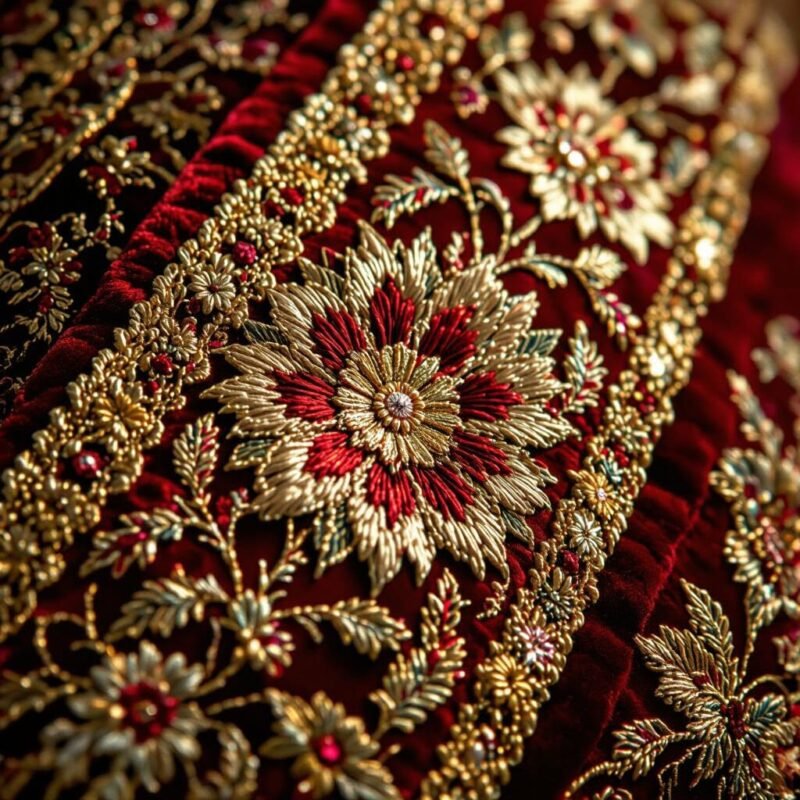
Vestments are not only put together—they are made. The quality aspect is important since worship mirrors attention, care, and devotion. The fabrics need to fall well, the seams need to last even through years of ministry, and the colors need to convey their meanings even in the various seasons.
The modern vestment makers take inspiration from ancient traditions, but at the same time, they use contemporary sewing methods and soft fabrics. The result of this interplay between the past and the present is that the clergy can worship without restrictions, get the support they need in long services, and still be visibly associated with the sacred symbolism of the pulpit and altar.
Our Robes & Cassocks for Women collection, especially designed for the clergy, will not disappoint those searching for careful tailoring as it introduces garments shaped with grace, modesty, and comfort.
Vestments and the Worship Experience
The beauty of vestments is not solely an aesthetic one but rather a spiritual one. As clergy members prepare themselves for their liturgical roles by putting on the vestments, the process becomes a ritual of spiritual preparation. The vestments deliver to the person wearing them the message:
“You are not serving in your own strength; you are stepping into the work of God.”
Conversely, a place where the worship experience differs from the congregation’s daily hustle and bustle routine. For the congregation, they visually mark the place of worship as holy, thus facilitating the people’s movement towards scripture, prayer, and contemplation.
Tradition and Beauty in Service to God
The most important point about vestments is that they were not fancy but ascetic and symbolic. They remain ministry tools—clothes that allow clergy to serve their communities through intention, reverently, and visibly. Whether at a small chapel performing communion, preaching, or directing worship in a cathedral, vestments constantly remind the clergy and the congregation of the holy act.

Conclusion
To don vestments is to enter a narrative far beyond one’s self—a tale of faith transmitted from one generation to another, God’s being honored with the splendor and devotion of the worshippers. These garments are always with the minister, in every moment—joyful or sorrowful, guiding or reflecting. They signify a calling, represent a sacred leadership, and reveal the profound love that nourishes worship.
The church may grow, change, and diversify, but vestments will always be there—a constant reminder that beauty, meaning, and tradition are still important.