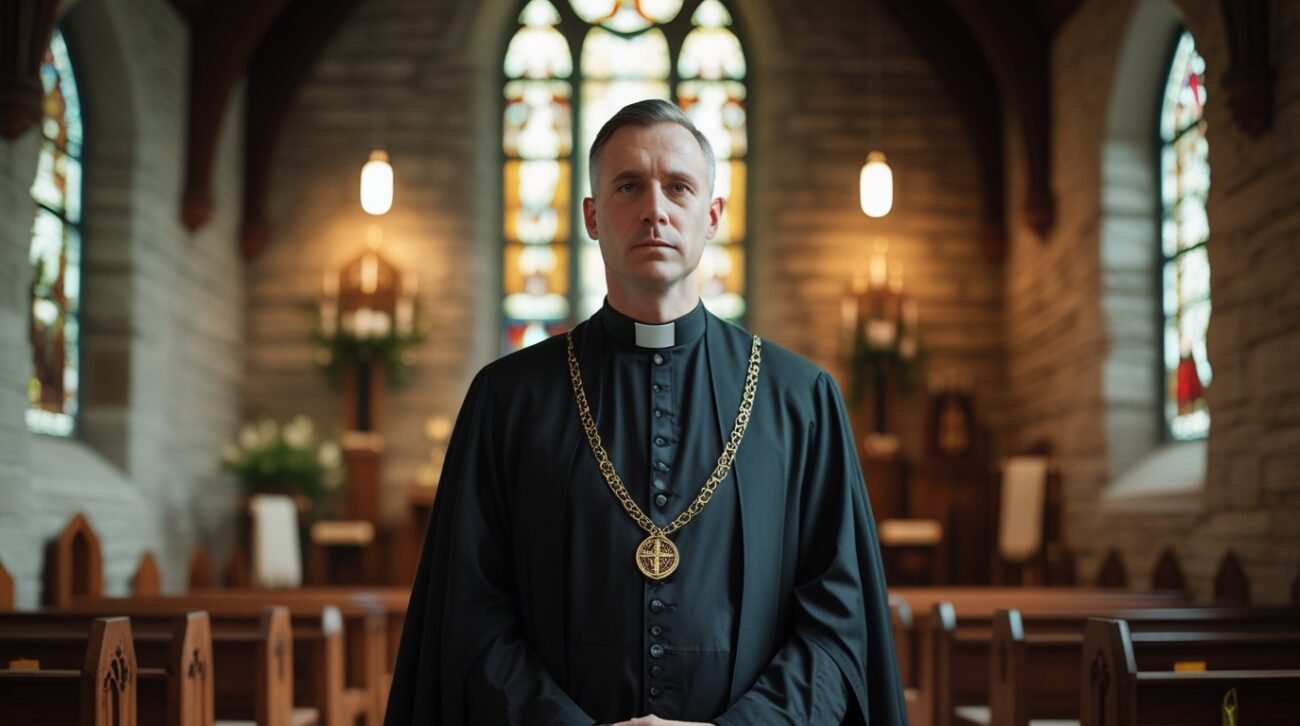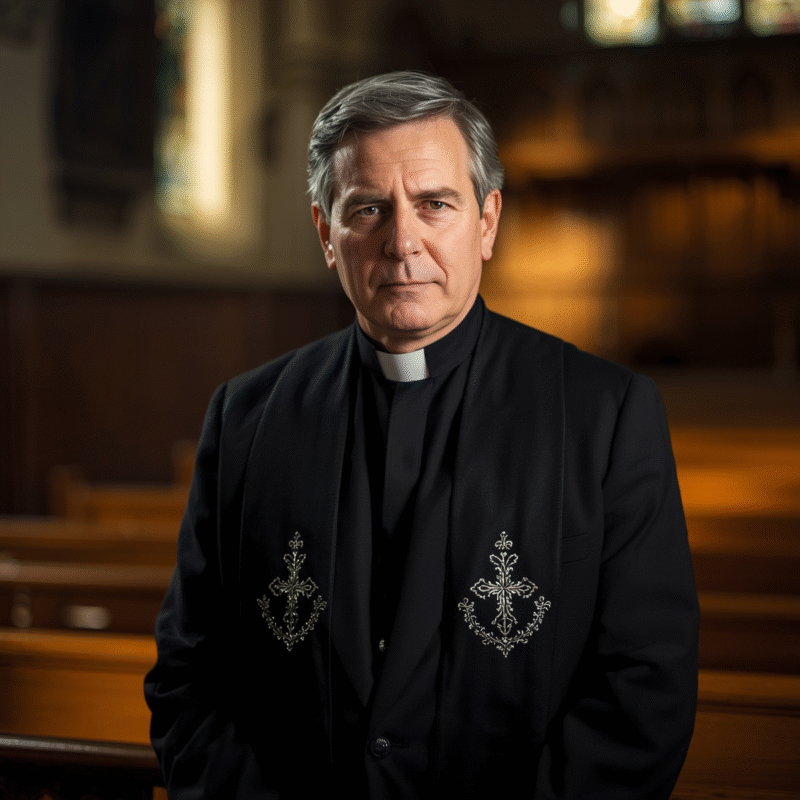

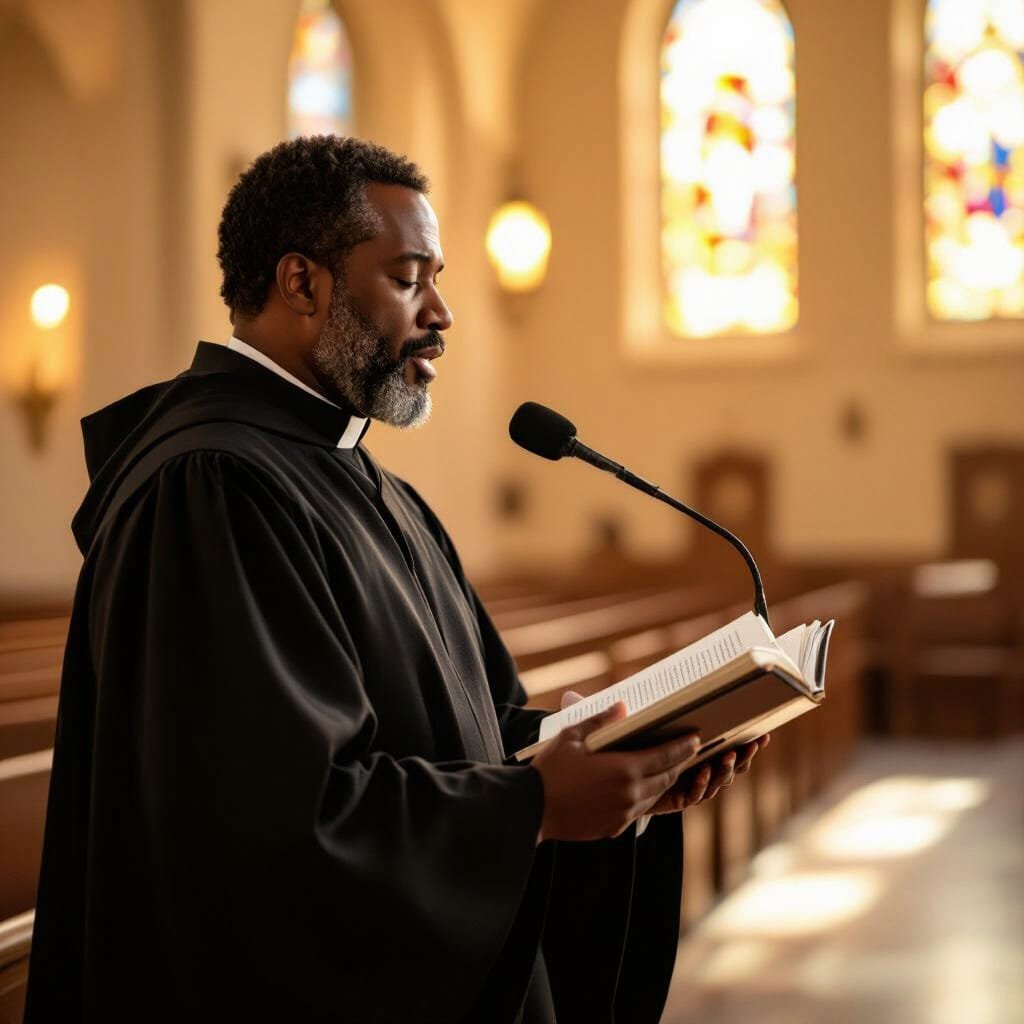
Stepping into the pulpit is a moment of sacred responsibility. The minister is not only to teach, guide, and lead but also to show the whole congregation the awe of worship. Though silent, the ministry clothing worn at such a moment speaks loud and clear—sending out messages of respect, lowliness, and love. The garments of the clergy might vary in styles and traditions depending on the denomination, but the core of the clergy attire is still the same: to honor God, the congregation, and the sacred work of ministry.
Knowing the right way to dress for the pulpit will help ministers express and feel the spiritual tone of worship as being supported, confident, and comfortable. The clergy wardrobe, composed thoughtfully, will allow one to serve in grace and readiness, whether leading communion, preaching, baptizing, or giving pastoral counseling.
Understanding the Purpose Behind Clergy Attire
Clergy attire does not mean mere clothing; it represents the symbolic. The pulpit is a visible expression of leadership based on service, while the garments worn signify that calling. Vestments have been a way to, among others:
- Encourage being modest and reverent.
- Ensure the passing down of sacred tradition.
- Change the focus from the individual to the message.
- Indicate the sacredness of worship.
These principles still hold even with clergy attire that has undergone modern changes in the light of contemporary worship. The minister’s clothing should help create the proper spiritual atmosphere rather than detract from it.
After the funding of understanding has been laid, most ministers will start their journey by getting acquainted with traditional garments in the Clergy Robes for Men collection, where reverence and craftsmanship combine to give a pulpit presence.
Choosing Garments That Reflect Worship Style and Community Tradition
Every church community has a unique rhythm, character, and cultural background. Some worship practices are very liturgical, which means that the use of cassocks, surplices, and stoles is the norm. In contrast, others are more modern, where fitted clergy suits or plain pulpit gowns are preferred.
The main points are:
- The level of formality in the worship setting
- The regulations of the specific denomination
- The colors of the liturgical season
- The representation of the culture and identity of the congregation
The aim is not to be like others but to treat the worship spaces and the community respectfully, characterized by a sacred nature.
Women in ministry who want to wear garments that combine tradition and modern elegance can turn to the Clergy Suits for Women collection, which consists of classy, professional designs appropriate for sermons, ritual ceremonies, and pastoral leadership.

The Role of Color and Symbolism
Color has always been a significant factor in the clothing of the clergy. For example:
- Black implies dignity, simplicity, and pastoral humility
- White indicates celebration and purity, hence it is often used in sacraments and holy festivals
- Red symbolizes the Holy Spirit and is utilized in ordinations and at Pentecost
- Purple is a reflective color used during Advent and Lent
A majority of ministers do consider it beneficial to select garments that are adjustable according to the liturgical calendar. This increases the connection between the dressing and the worship experience itself.
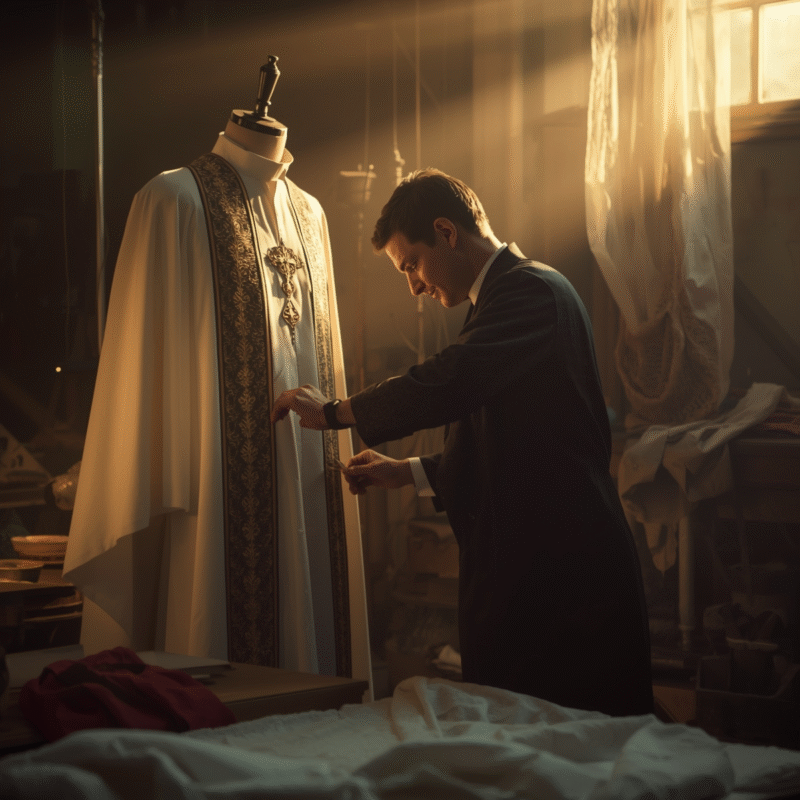
Practitioners looking for symbolic pulpit garments made with artistry and reverence can visit Vestments for Men, where the considerate color and fabric selections make the worship space rich in significance.
Maintaining Balance: Presence Without Distraction
The clergy’s garments are most powerful when they reinforce the sermon instead of overshadowing it. A thoughtful exploration of pulpit etiquette for clergy, focusing on robes, vestments, and attire that support meaningful worship leadership. Whether wearing a robe, cassock, chasuble, or suit:
- The garment should allow natural posture and gesture.
- Fabrics should be comfortable enough for extended standing and preaching.
- Embellishment should be meaningful rather than ornamental.
The minister’s being should be strong, inviting, and concentrated— not restricted or flaunting.
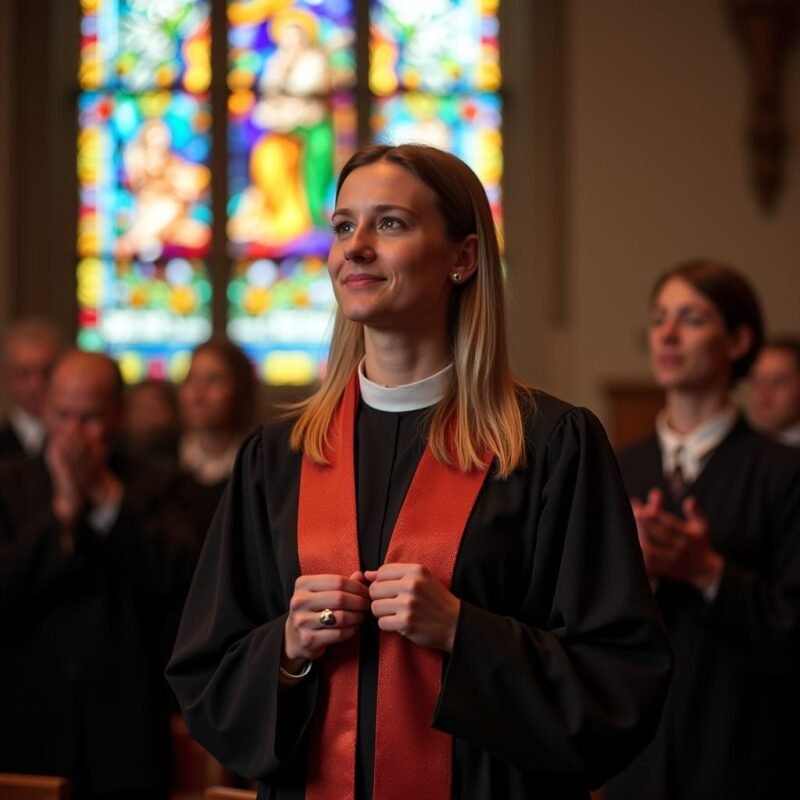
Care and Stewardship of Clergy Attire
Clergy costumes are the instruments of ministering, and just like any other sacred instrument, they must be treated with utmost respect. Cleaning, hanging properly, and storing in the designated place are the main ways to preserve the fabric and shape. Many clergy like to keep the seasonal clothes in the sacristy and then take them daily to their study or home. Taking care of vestments is a way of honoring:
- The minister’s role in worship
- The community that is served
- The minister’s calling
Eventually, as part of building a deliberate wardrobe, clergy often add to their choices with layering pieces like the Clergy Surplices for Men, which enhance the elegant appearance of both the traditional and the contemporary preaching pulpit attire.
Conclusion
Choosing the outfit for the pulpit is not just a matter of wearing—it is a prayerful act of preparation. Each item has its significance. Each layer is a reflection of the calling. The choice of color and material contributes to creating the atmosphere of worship. The minister’s clothing is still a humble offering to God, whether in a cathedral, a little church in the countryside, a hospital chapel, or a modern sanctuary.
In the pulpit, the clothing takes on the liturgical character—not to attract attention to itself but to highlight the sacred message being communicated. May every minister find the garments that will bring them the comfort, dignity, and devotion they deserve in their service, and thus honor the holy work entrusted to their voice and presence.