

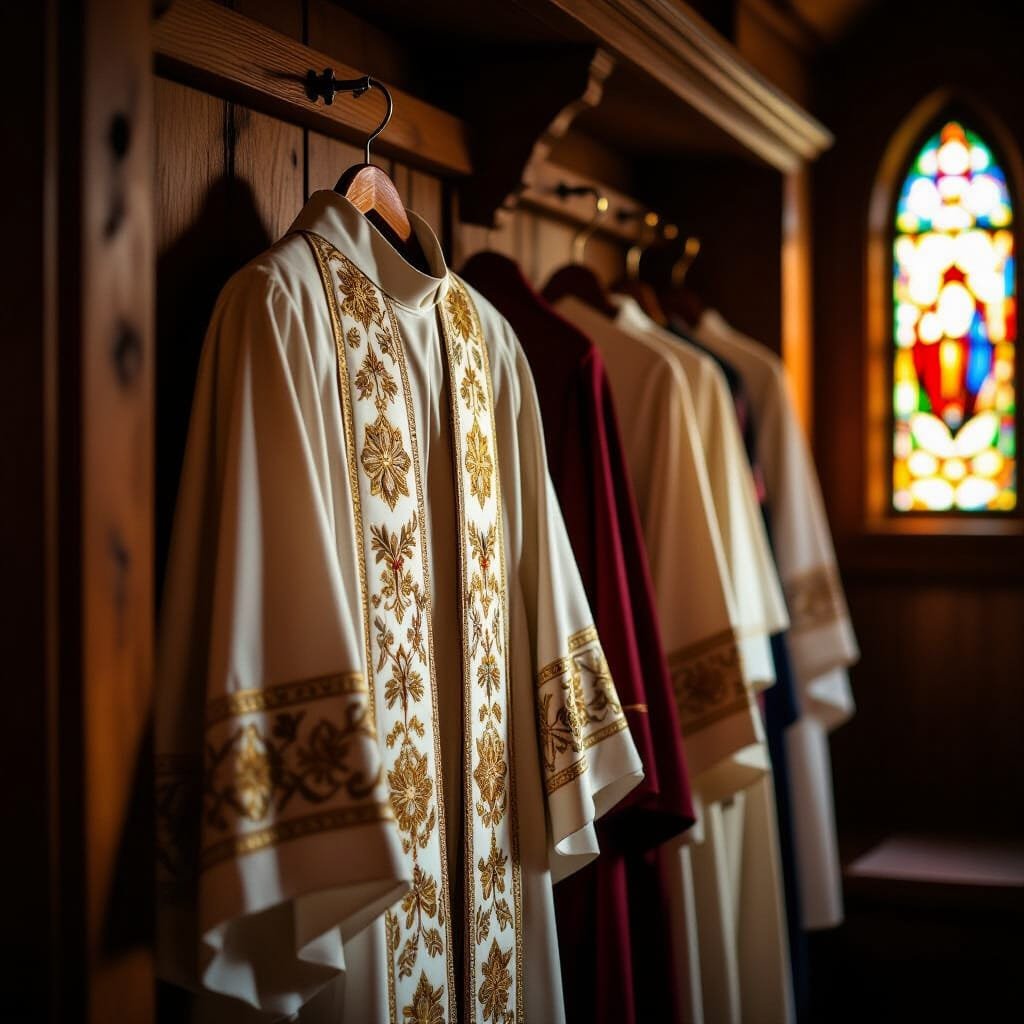
Clergy garments are more than mere clothing; they have always been and still are symbols of service, humility, and devotion. Each robe, surplice, cassock, and vestment reflects sacred responsibility and the Church’s timeless traditions. These clothes are worn for Sunday liturgy, sacramental ceremonies, or pastoral work, and they bear spiritual significance and need to be treated with care. The ability of clergy apparel to maintain its condition and beauty preserves its look and pays tribute to the ministry it stands for.
The Divine Meaning Behind Clergy Garments
Clergy garments have undergone centuries of modification, and each time have symbolized purity, authority, and reverence in worship. Each item is meticulously made from item is meticulously made from the soft lines of cassocks to the Since these clothes are very often made of the finest materials, with outstanding craftsmanship, and also embellished with very meaningful details, it is very important to take proper care of them to ensure they will serve the ministry with elegance for a long time.
Come and check out our elegant collection of Clergy Robes for Men at Worship Attires, a place where sacred heritage and modern artistry meet.
Graceful Fabrics That Last
Quality starts at the material level. Many clergy garments are made from:
- Polyester blended fabrics for wrinkle resistance and durability
- Wool or wool blends for warmth and structure
- Cotton or linen for breathability and the purity of the ceremony
When selecting the new outfit, don’t forget to factor in your congregation’s climate, how often the outfit will be worn, and the activity level during services. The heavier fabrics might be good for colder seasons or formal rites, whereas lighter materials are more comfortable for prolonged ministry work.
Nonetheless, whatever the fabric may be, suitable care in terms of storage and cleaning will play a very important role in determining the life span of the clergy garment.
Gentle Cleaning Methods for Clergy Wear
Do not handle clergy garments like common clothes. Their construction, embellishment, and trimming ask for special treatment and patience.
Dry Cleaning
Professionals should only dry-clean most structured robes, cassocks, and fine suits. Still, opt for a cleaner accustomed to handling vestments or religious clothing to ensure no damage to the beads or pleats.
Hand Washing When Appropriate
Some surplices and lightweight robes are suitable for hand washing in cold water with gentle detergent. Avoid twisting or squeezing — let the garment lie flat or hang it carefully to dry.
Spot Treatment
Liturgical life can be a mix of wax, incense, and rare spills. Clean stains right away with mild stain remover and a clean cloth. Always test on a hidden seam first.
Explore our selection of Clergy Surplices for Men that will maintain their shape and style even with repeated ministry use.
Correct Storage for Shape and Beauty Maintenance
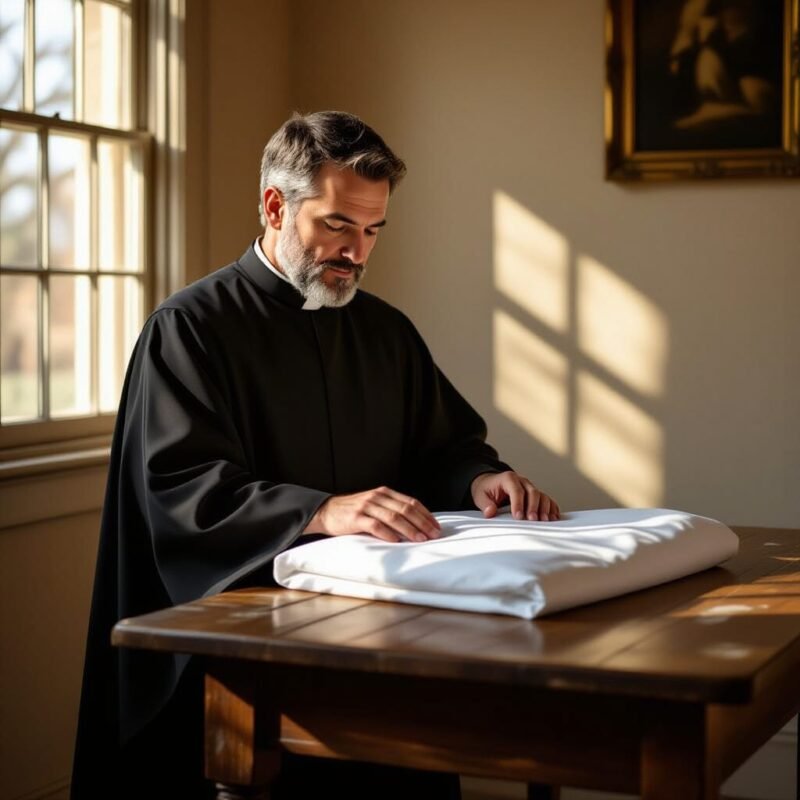
The way of storing clergy garments is equally important as the cleaning method.
- Padded or wooden hangers should be used to provide support to the shoulders as well as maintain the structure of the garment.
- Use breathable garment bags to keep moisture from accumulating.
- Keep vestments away from direct sunlight, as they might fade and weaken fabric over time.
- Stoles and chasubles should be folded gently; acid-free tissue should be placed between embroidered sections.
Buying a travel case for clergy garments would prevent creasing and fabric stress for those who must travel a lot for the ministry.
Preserving Embroidery, Trim, and Symbolic Details
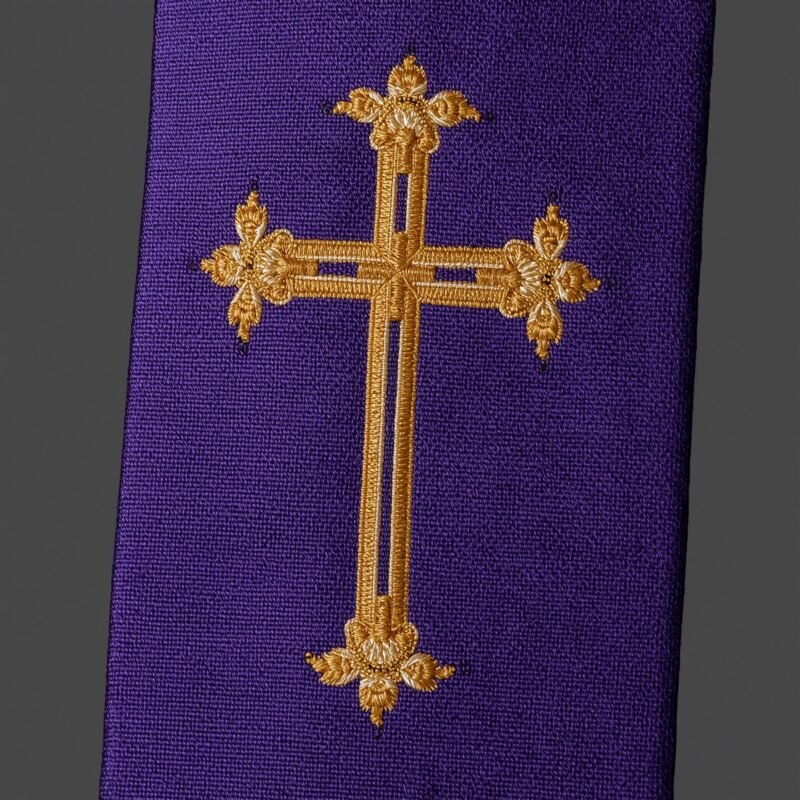
The adornments of clergy apparel—cross patterns, braiding, piping, and lace—convey profound holy meanings. The careful handling of such elements is required:
- Do not iron straight over embroidered areas; a pressing cloth or steam can be used cautiously.
- Keep garments away from rough surfaces that may catch threadwork.
- Store stoles and chasubles in separate places to eliminate the possibility of thread catching or friction.
Taking care of the garments mindfully, not only the garment but also the custom and the message it represents.
Seasonal Care and Long-Term Preservation
The liturgical calendar may change, but it should not affect your garment care routine; rather, the opposite.
- Change your garments frequently so the fabrics have time to rest and recuperate.
- Inspections should be done seasonally, checking for signs of wear such as unraveling or worn-out trims.
- Prepare the garments at the beginning of the major liturgical seasons to present a polished, reverent presence.
Professional preservation techniques such as acid-free boxing and archival storage should be employed.
In our Men’s Robes & Cassocks collection, find the finest, most durable, handcrafted options—designed to serve the ministry gracefully.
Why Care Matters: A Reflection on Service and Stewardship
The care of clergy garments goes beyond mere maintenance of appearance—it is a spiritual reflection of one’s calling. Like the Church, Chuitaintains its sacred spaces with reverence, and the clergy’s clothing also deserves careful management. When a garment hangs in beautiful creases and with dignified grace, it sends a strong visual signal of respect for the sacred task..
Conclusion: Upholding Tradition with Faithful Hands
Clergy garments are the neatest signs of ministrations at the closest proximity to God. Every garment accompanies the minister during the most important moments of life: baptisms, marriages, preaching, and teaching. Their threads are the bearers not only of the skill but also of the memory. To take up the care for them with love and respect is to perform an act of devotion. Let the beauty of the service that the garments were made for—offered to the congregation and God—shine through every fold, button, and stitch.
