
Rites of worship and expressions of devotion have lasted for centuries, yet few vestments have carried their grace through time as the surplice has. It remains a clear visual representation of faith and reverence within church tradition—simple yet dignified, humble, and graceful. Though the modern cut and fabric of clergy attire have evolved, this timeless piece still holds a sacred place in liturgical clothing, symbolizing purity, humility, and enduring devotion.
At Worship Attires, each garment is regarded not merely as a piece of ecclesiastical clothing, but as a visible connection linking today’s ministers with the faithful servants of the past.
The Beginning of a Timeless Vestment
This attire traces its origins to the early medieval church, evolving from the alb—an ancient white tunic priests wore for liturgical rites. Over time, it became shorter, featured wider sleeves, and was recognized as a symbol of clerical authority. The term originates from the Latin superpellicium, meaning “over” the pelisse, which was often worn on top of fur-lined garments during winter services.
By the 13th century, it had already become a staple of clerical dress, worn by clergy, choir members, and altar servers alike. It stood as a visual reminder of humility before God and the holiness of sacred service.
Yet, this historic garment is not confined to the past. It remains a revered element of modern ministry—one of the most enduring vestments in the entire Christian tradition.
The Symbolism of Simplicity
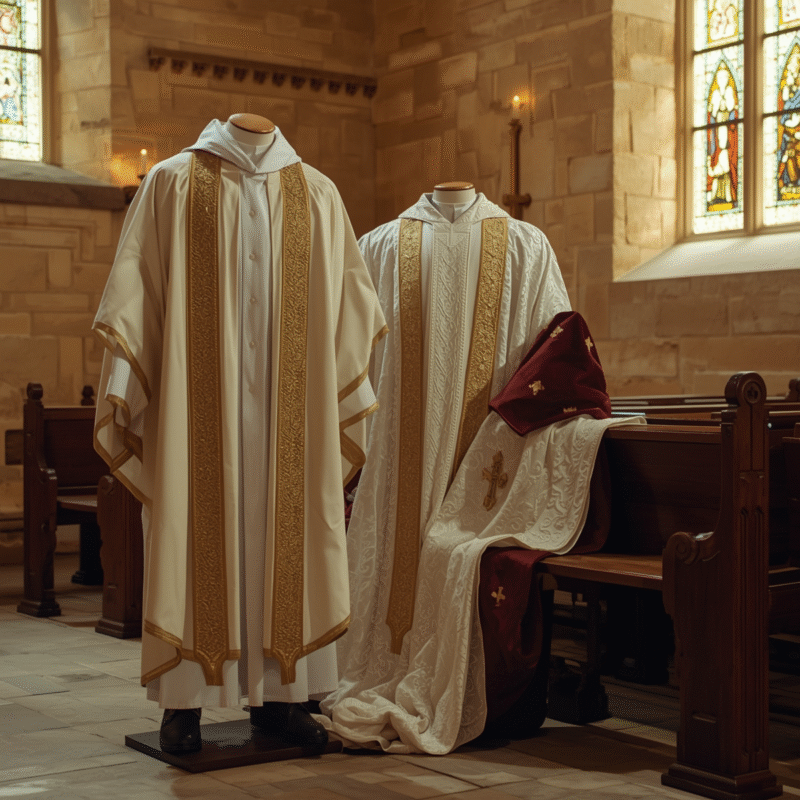
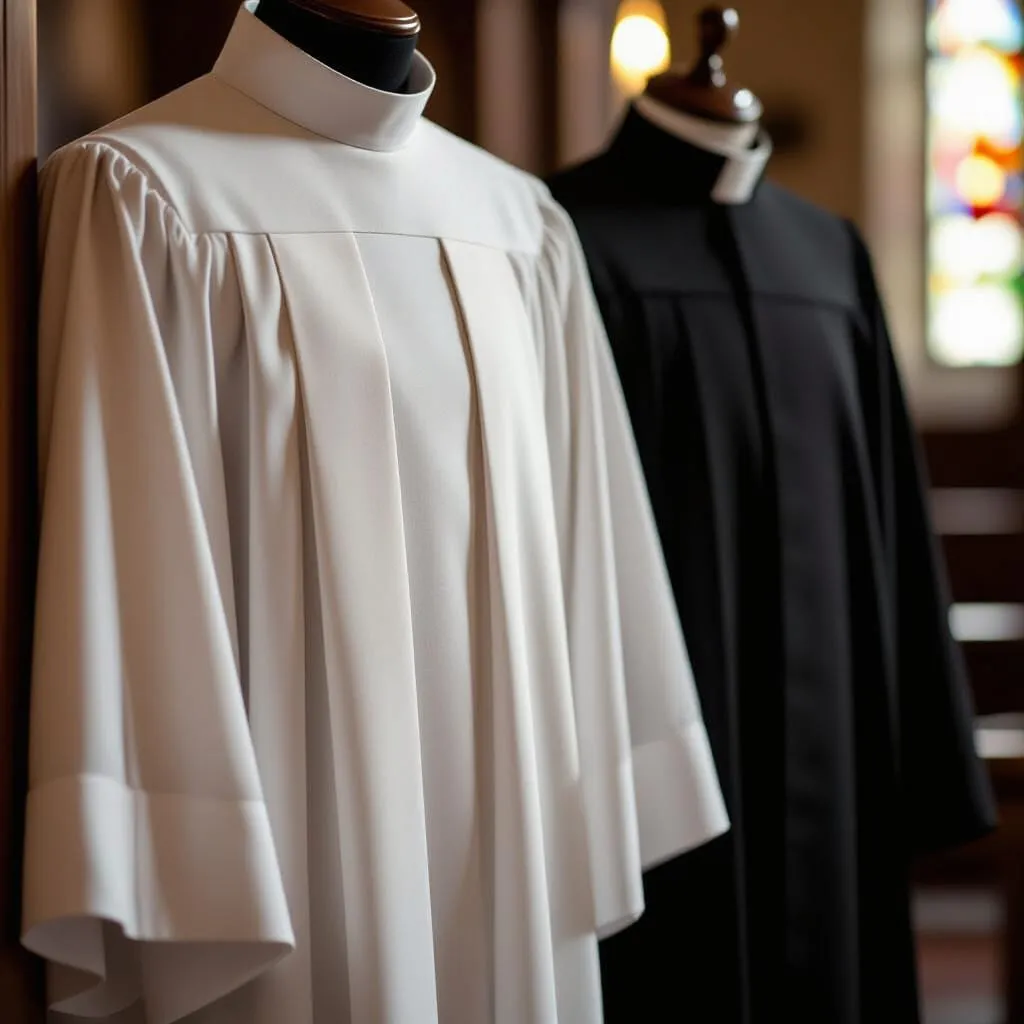
Its true beauty lies in its simplicity. Usually crafted in white, it represents purity and renewal, reflecting the spiritual call to set aside worldly concerns in favor of divine service. The wide, flowing sleeves and unadorned fabric convey a sense of grace, modesty, and serenity.
In contemporary worship, it continues to embody a quiet but powerful message of spirituality. Whether worn during Eucharistic celebrations, choir performances, or solemn ceremonies, it symbolizes service rendered with sincerity and faith.
At Worship Attires, each selection from the Clergy Surplice for Men collection is crafted with this sacred simplicity in mind — merging the finest quality of craftsmanship with contemporary ministry.
Evolution of Design and Craftsmanship
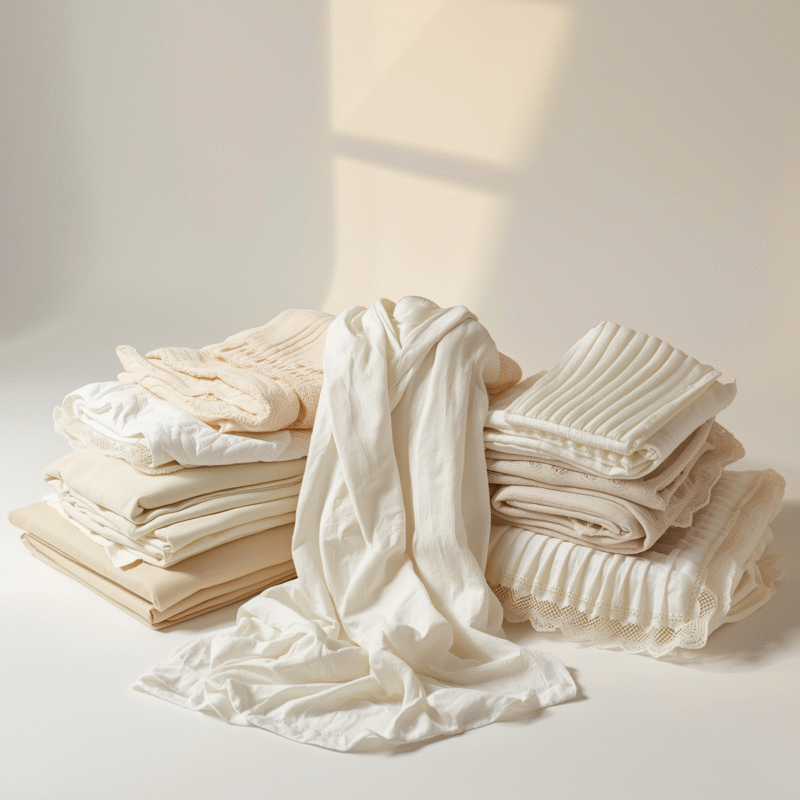
The artistry of the surplice has undergone very little change in its core; nevertheless, it has adorned itself with beautiful craftsmanship over the years. The early types were constructed of thick linen or wool. At the same time, today’s are made from very airy and lightweight fabrics that guarantee the wearer comfort and elegance even during long services.
There are now pleated fronts, lace trim, and embroidered cuffs that subtly add sophistication to the classic form. Artisans at Worship Attires employ a technique that combines hand-finishing with modern tailoring, which is applied at every step of the making process, resulting in each surplice having an elegant fall and making it effortless to wear.
Each item of clothing from the Clergy Surplice for Women collection is a testament to our ongoing commitment to combining quality, spirituality, and durability in the realm of design.
The Surplice in Today’s Worship
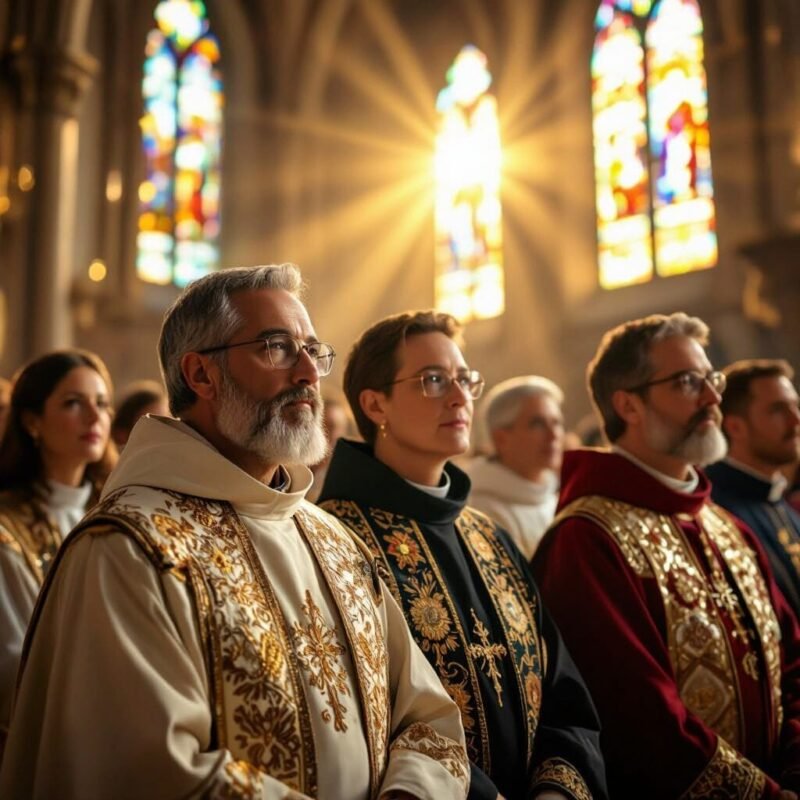
The surplice, despite the various liturgical styles that have changed over time, still has great significance. It pairs well with modern clerical gowns and remains a staple in graduation ceremonies, as well as in choral and Eucharistic services. Its never-ending presence is a reminder of the sacred link by which the church is connected throughout the ages, and that link is the congregation.
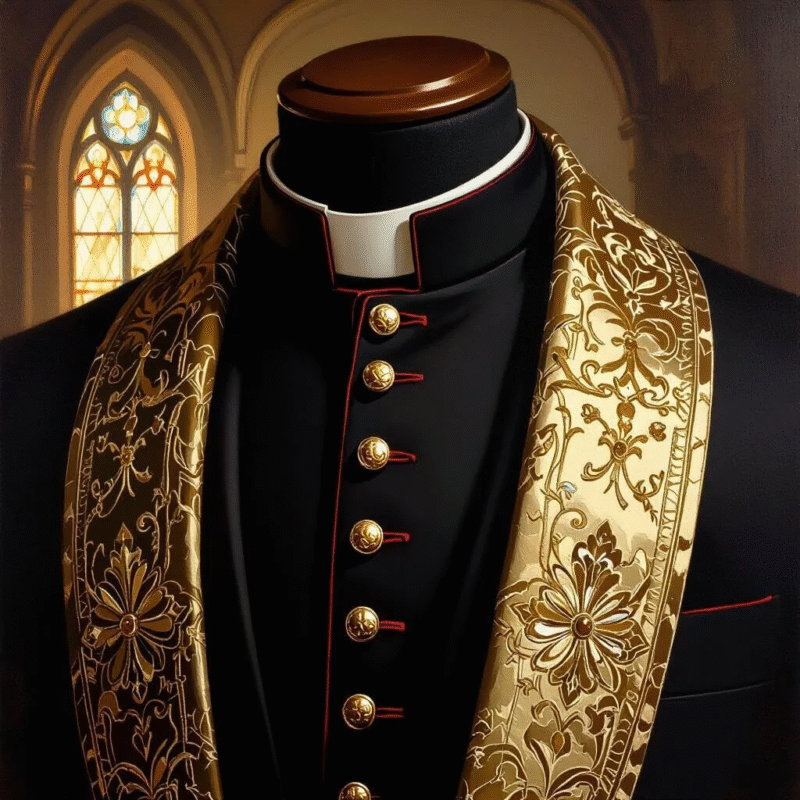
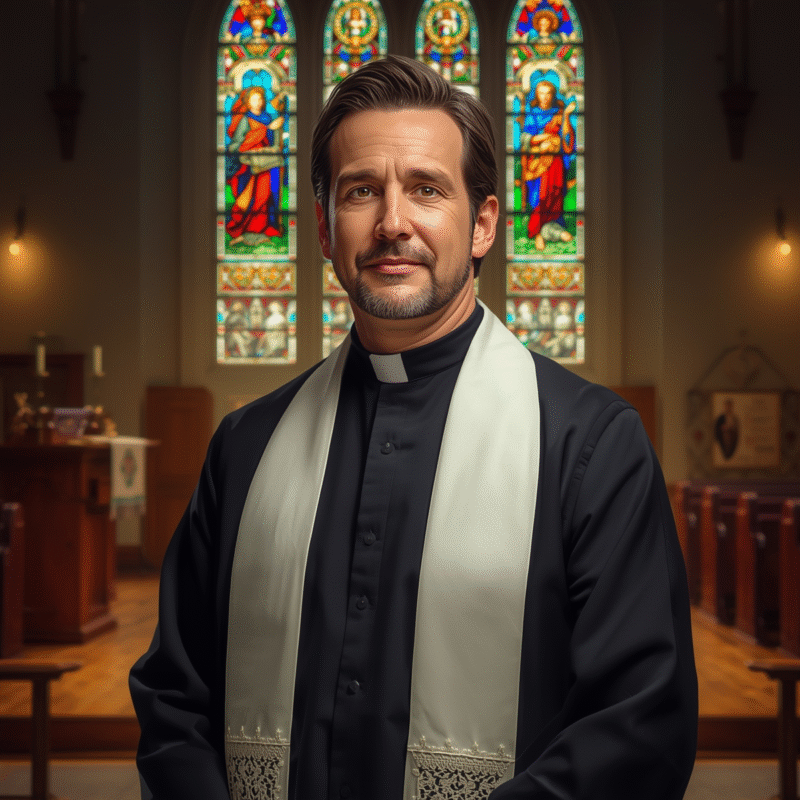
The ministers and choir members appreciate its versatility — it can be easily worn with cassocks of different colors that signify different liturgical seasons. The combination of a classic black cassock and a white surplice remains one of the most iconic in church clothing, expressing devotion, balance, and spiritual authority.
Individuals seeking to redefine their worship wardrobe can explore the hand-tailored Clergy Rochets for Men and Clergy Rochets for Women by Worship Attires. These are garments that are imbued with the same elegance and history as the traditional surplice.
Why It Still Matters
The survival of the surplice is a matter of spiritual consistency rather than style or symbolism. In today’s changing trend landscape, the surplice remains a visual symbol of the church’s constant faith. It is the linking of the clergy with their spiritual forebears and a bridge between the faithful through the continuity of sacred dress.
At WorshipAttires.com, this philosophy influences all the designs. The surplice that is made is not just an approval of the liturgical custom but also a means to comfort, confidence, and dignity for the one serving. It is a timeless garment — discreet, significant, and still relevant.
Conclusion
The surplice has transcended medieval cathedrals to modern-day sanctuaries, where it still serves the same purpose of defining sacred clothing. Its white folds can hold centuries of prayers, its cut is a portrayal of humility, and its existence over time has been a sign of unchanging faith.
The classic surplice is a constant reminder that the ultimate attractiveness is found in service — not through decoration, but through aim. Worship Attires will reverently continue the creation of each robe and vestment, thereby keeping the spirit of the ageless surplice pure, elegant, and strong in its divine vocation.