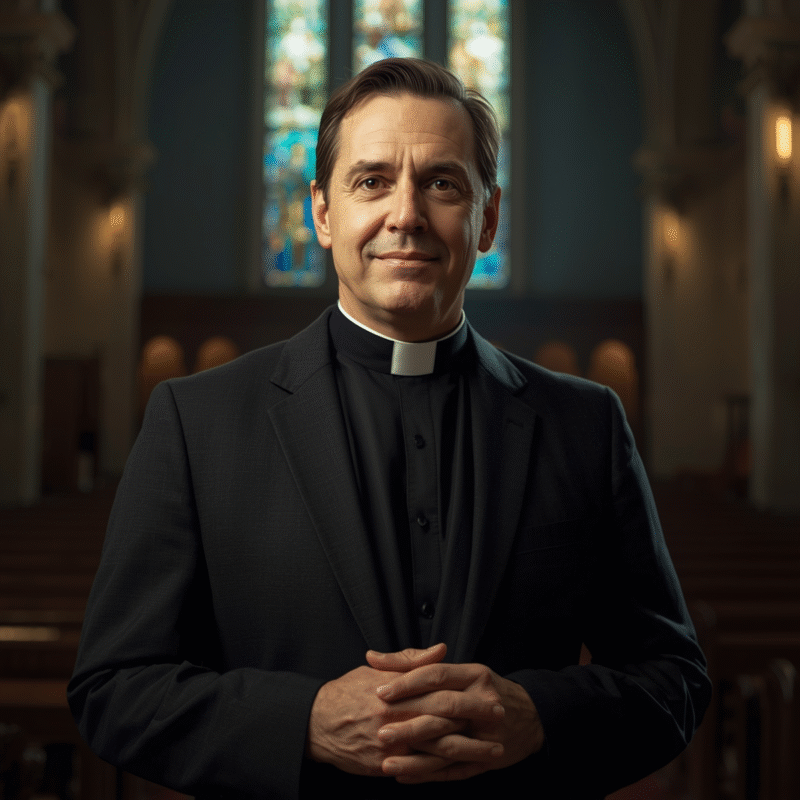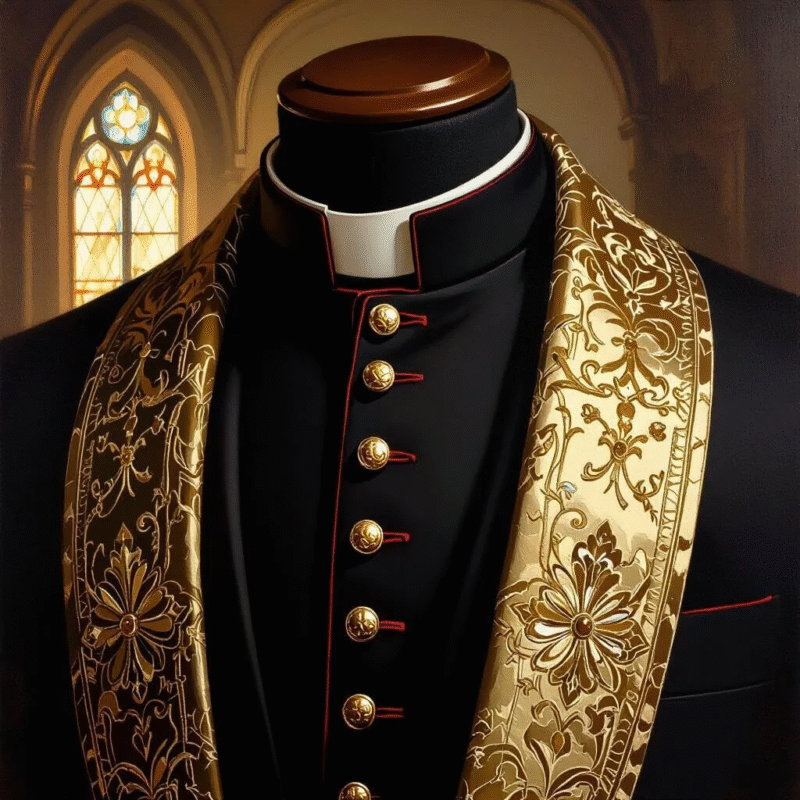


Clerical clothing has always been important in the ministry beyond materials and stitching. The very garments of ministry in every thread display a calling, an attitude of service, and the sacred work of God’s shepherding people’s devotion. Traditional vestments are known by many, yet the clergy suit is unique and meaningful in modern worship. It is a garment that balances dignity and humility, tradition and contemporary identity, the public role of ministry and the private, personal journey of faith.
The clergy suit is not just an outfit but formal clothing. It symbolizes readiness—an outward reminder that the minister is both servant and leader among the body of Christ.
A Brief History of the Clergy Suit
The clergy suit has its roots in the ceremonies of the high churches of Europe, where the common people always saw things reflected in the fashion of the clergy. It was the case of the ministers who were expected to dress differently from the congregation in places, practically, not to put themselves above the others, but to point out the sacredness and the responsibilities attached to them by the Church.
In the 19th and 20th centuries, the clergy suit completely replaced the extravagant vestments in non-liturgical settings, pastoral visits, daily ministry work, and preaching engagements outside the sanctuary. The suit became synonymous with:
- Professional commitment
- Spiritual accountability
- Visible leadership
- Consistency of devotion
The clergy suit’s nothingness reminded the faithful that God’s sanctuary is not limited to the church with the altar and the priest dressed in ritual, but is anywhere the gospel is preached and people are ministered to.
Those who are looking for suitable and flawless ministry outfits can check out the Worship Attires collection of Men’s Clergy Suits, which is where craftsmanship meets and spiritual purpose harmonizes.
Symbolism Rooted in Purpose
Clerical clothing is a way to represent the Church, and besides its utilitarian aspect, it also conveys meaning through its symbolism. Their historical colors—mostly black, dark blue, or gray—mean the following:
- Humility: To acknowledge God as the fountain of wisdom and who shows the way.
- Simplicity: To avoid distraction and make the message dominate the character.
- Constancy: To display faithfulness in leadership and faith.
The clerical collar, usually worn with clergy suits, highlights this aim even more. It signifies being “yoked” to Christ and distinguished for service, not in superiority but responsibility. Hence, a clergy suit is part of a pastor’s witness: a loudly and respectfully expressed dedication.
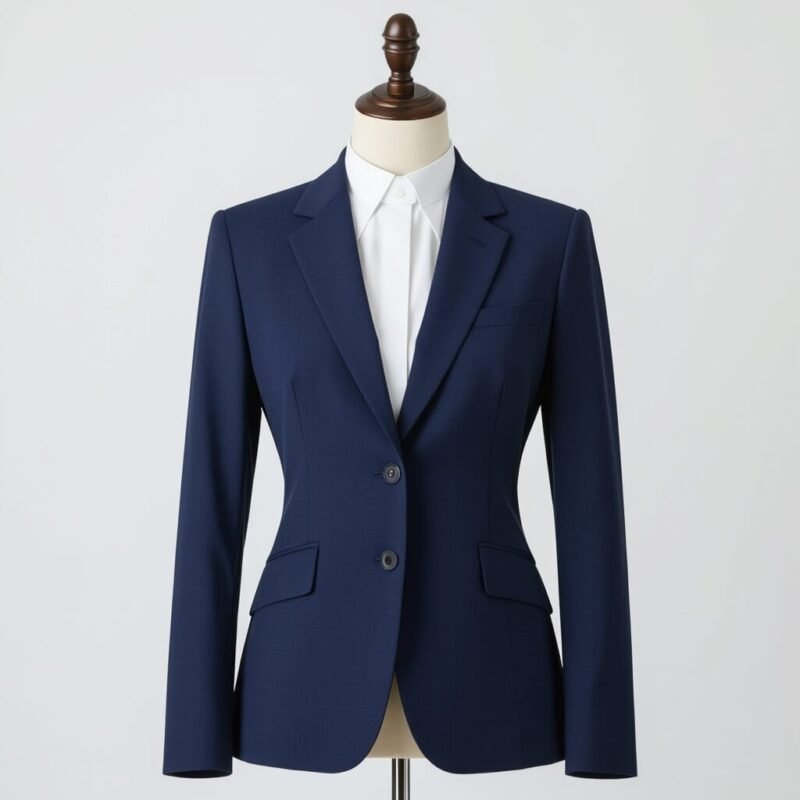
Worship Attires has a line of clergy suits for women, which are thoughtfully tailored and beautifully designed, thereby keeping tradition and individuality in ministry for those who want to wear robes exhibiting grace, structure, and modesty.
Materials and Craftsmanship: The Beauty of Subtlety
Clerical robes are not ostentatiously decorated; they are made of the finest fabrics, tailored with clean lines, well-shaped shoulders, balanced fitting, and the fabric is easy to move during sermons, visitations, and prayers. The quality of the minister’s dress is shown through comfort and dignity, which will attract the ministry leader to perform unstintingly.
Mindful craftsmanship has such a suit that:
Looks classy without being flamboyant.
Holds a good structure throughout its time of use.
Supports physical ministry movements—kneeling, blessing, hugging, teaching.
For this reason, many clergy regard their suits as investments in their calling rather than merely an addition to their wardrobes.
Many ministers wear clergy suits with cassocks or surplices during formal church services to enhance their appearance. The assortment of the Worship Attires, Robes & Cassocks for Men collection presents classic choices endowed with liturgical elegance and daily practicality at all times.
The Clergy Suit in the Present Day Worship and Ministry
Clergy suits exist in large numbers nowadays and continue to be significant among the clergy’s dress. They are signs of faith without the need for elaborate vestments. They connect the sacred past with today’s culture. And they facilitate the minister’s move from the pulpit to the service of the community, the classroom, and pastoral work.
Whether the pastor is preaching in a city chapel, giving counsel in a hospital, or leading prayer in a small rural church, the clergy suit shows they respect the occasion. It also serves as a reminder for both the minister and the congregation that every meeting is sacred.
A Garment That Speaks Quietly, But Powerfully
The history of clergy suits is painted with a story of devotion expressed by simplicity. It is a lesson that what is considered apparel for worship is a lifestyle. It is an item of clothing that is prayed for.
The clergy suits are not calling for attention, but are still respected and admired.
They do not show authority as oppressing people but rather as helping them.
They do not uplift one person, but honor the God who chose them.
They are the clothes that express ministry, not as a performance, but as love.
Conclusion
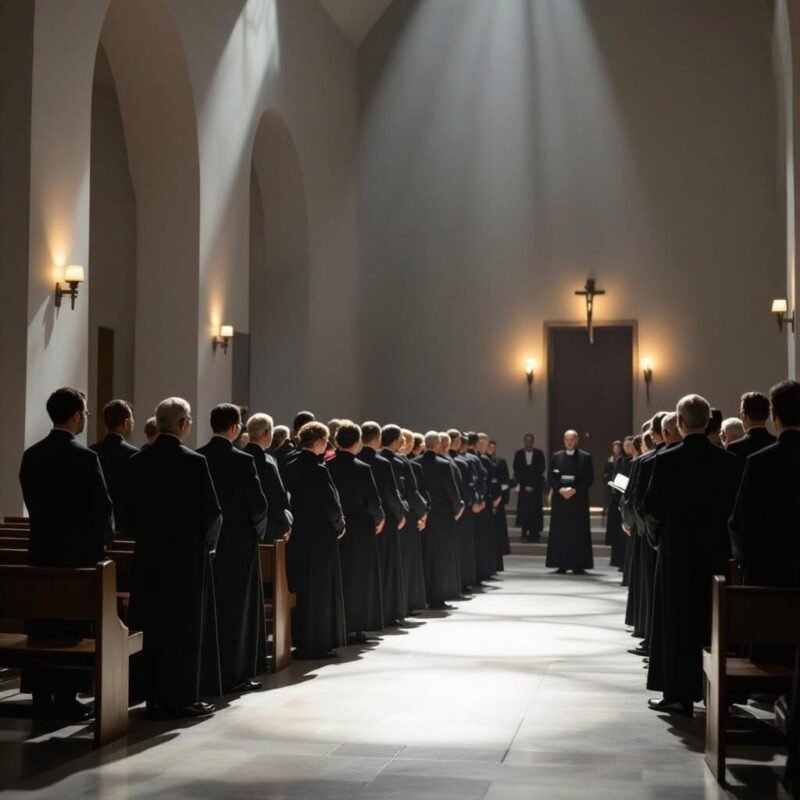
The clergy suit is still a strong representation of faith and responsibility. It symbolizes a vocation that goes on during the Sunday services and in daily chats, prayers, tears, celebrations, and the silent moments when God’s people are guided. When the clergy wear it with humility and commitment, it serves as a reminder of the holy journey they traverse.
The clergy suit stands steady in a testament to devotion meant to endure.