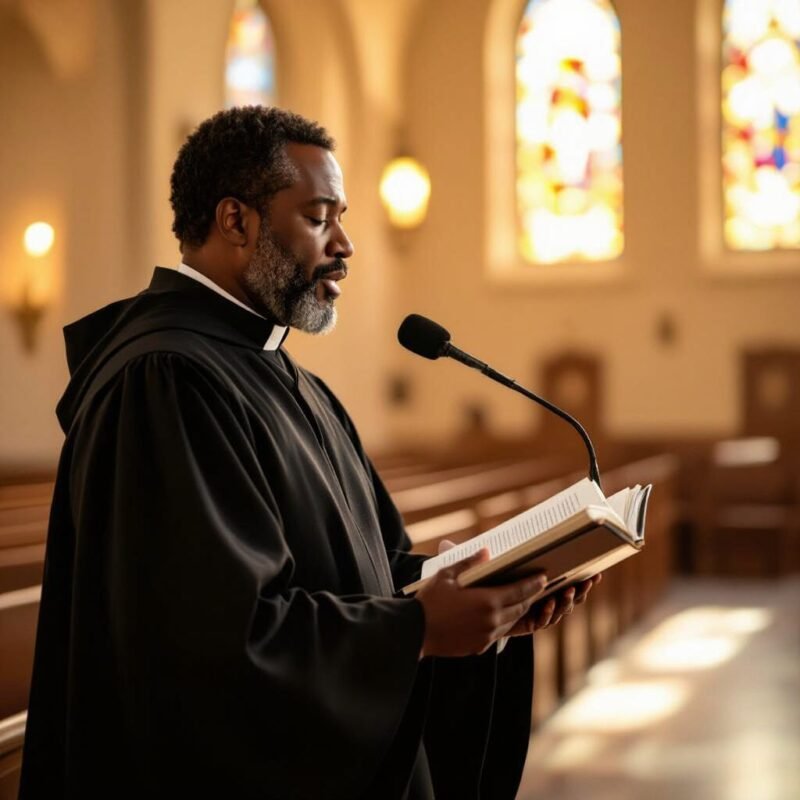

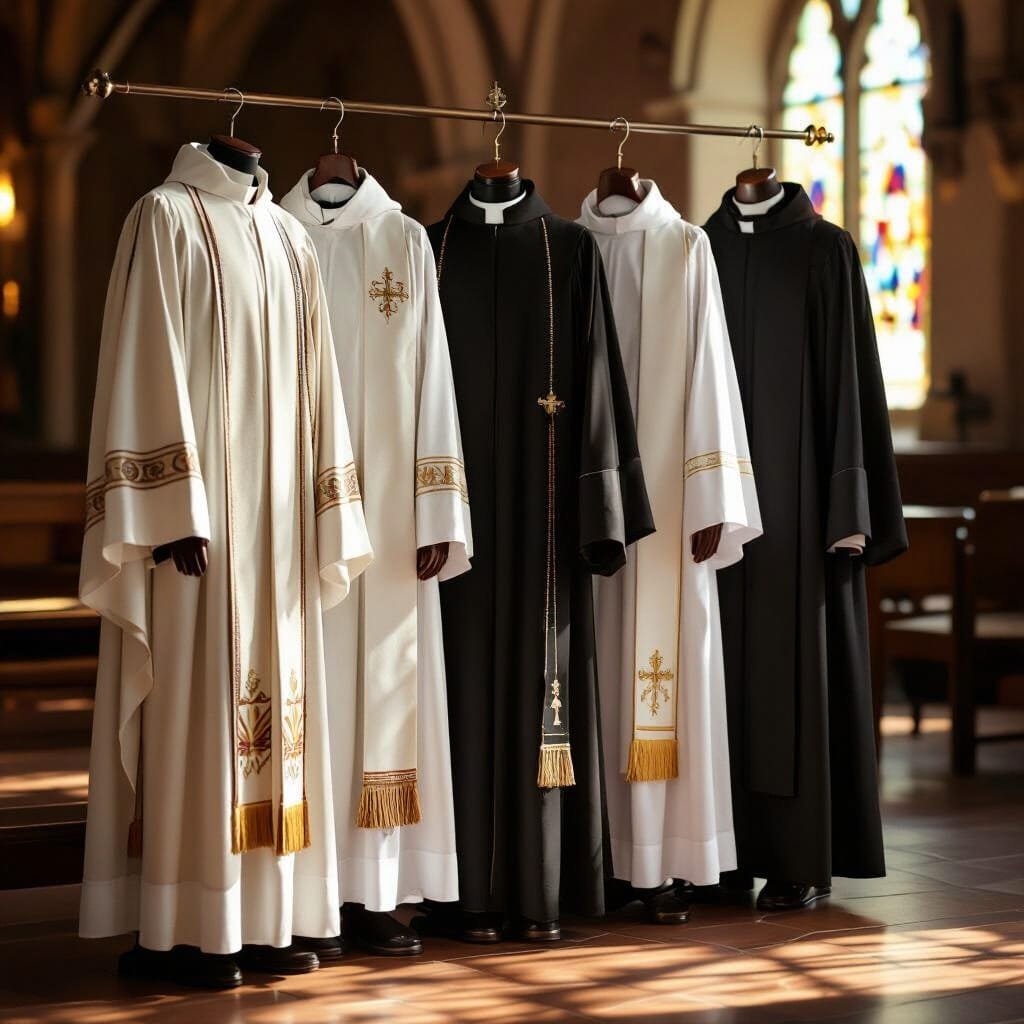
A clergy wardrobe is not just a collection of garments but a means to express visually faith, reverence, identity, and devotion to the ministry. The church’s seasons of worship— from celebration to contemplation —are reflected in the colors and the style of the priest’s vestments. Thus, building a wardrobe suitable for the whole year will enable a minister to come to the sanctuary with grace and comfort and be ready for every service moment.
A carefully selected clergy wardrobe considers the tradition, the craftsmanship, and the personal calling of the wearer. Every piece of clothing has its role, meaning, and story. Knowing how to mix and match these pieces can assist the clergy in building a wardrobe that will support, grace, and beautify their ministry.
The Foundation: Everyday Clergy Attire
The base of a versatile clergy wardrobe comprises garments for regular worship services, visitations, meetings, and public ministry. This also includes simple but dignified clothing that matches pastoral presence without being too formal.
Clergy suits and shirts give a polished daily appearance appropriate for sermons, community outreach, and pastoral counseling. These items are usually cut to enable comfort and freedom of movement during long days of service.
For many clergy members, the robes and cassocks symbolize the garments worn during Sunday worship and sacramental ceremonies. These pieces carry the weight of tradition and, at the same time, give the feeling of being part of a long line of service.
Clergy members who want to discover expertly tailored, elegant clothing fit for weekly worship often first look through the Robes & Cassocks for Men collection at Worship Attires, where craftsmanship pays tribute to heritage and comfort.
Seasonal Colors and Liturgical Symbolism
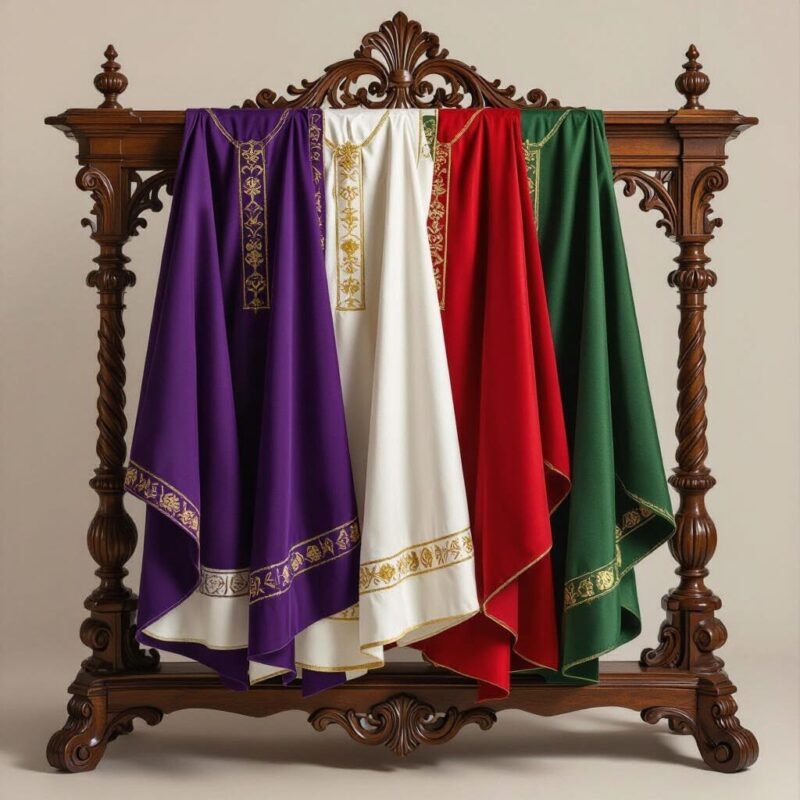
A complete clergy wardrobe also complies with the liturgical seasons—Advent, Christmas, Lent, Easter, and Ordinary Time—and the colors accompanying them. To each color, a certain meaning is given:
- White: Purity, celebration, resurrection
- Purple: Reflection, penitence, royalty
- Red: The Holy Spirit, passion, martyrdom
- Green: Hope, growth, spiritual life
- Gold: Majesty, triumph, divine glory
Vestments, including stoles, chasubles, and overlays, allow the clergy to change their wardrobe according to church seasons without being entirely out of season. The cassock made of the simplest material can change its look when combined with the appropriate colors for that season.
Our vestment for women collection can provide the clergy with very elegantly designed pieces representing the sacred and liturgical cycles of worship without loss of elegance or spiritual presence.
Layering for Sacred Services and Special Ceremonies
Besides their daily ministry, the clergy serve with the church’s seasonal worship during life’s significant transitions—weddings, baptisms, funerals, ordinations, confirmations, and feast days. Such occasions usually require attire that expresses the event’s seriousness and joy.
Layering is the way to go. A rochet and chimere are expressions of solemnity and authority in the case of formal liturgical ceremonies. The surplices are light and graceful and can be worn as a top layer. In the case of the cassocks and robes, the flowing structure is even more pronounced in this light layer. Layering creates not only total visual expression but also provides comfort.
For those looking to add sophisticated layering pieces to their clergy wardrobe, the Clergy Surplices for Women collection has beautiful garments and supportive movement during liturgy and worship processions. Each gesture of reverence, as well as blessing, has support.
Incorporating Personal and Denominational Identity
The clergy attire respects the individual’s tradition of the church they serve. Many of the garments being worn abide by the set patterns; however, the ministers usually come up with their own ways of showing their personal journey and the context of the ministry:
- A certain fabric texture that is of personal significance
- Embroidery showing scriptural symbols
- A particular style or fit that helps build confidence and comfort
- Color is used minimally to express either joy or contemplation..
Various denominations have their own distinctive vestment rituals as well. Anglican, Catholic, Lutheran, Methodist, Baptist, and non-denominational clergy may customize robes, surplices, stoles, and academic hoods to display their community’s and liturgical practices.
A comprehensive fit connects the common and the individual—tradition, communicated through a servant’s heart.
Caring for Clergy Garments Throughout the Year
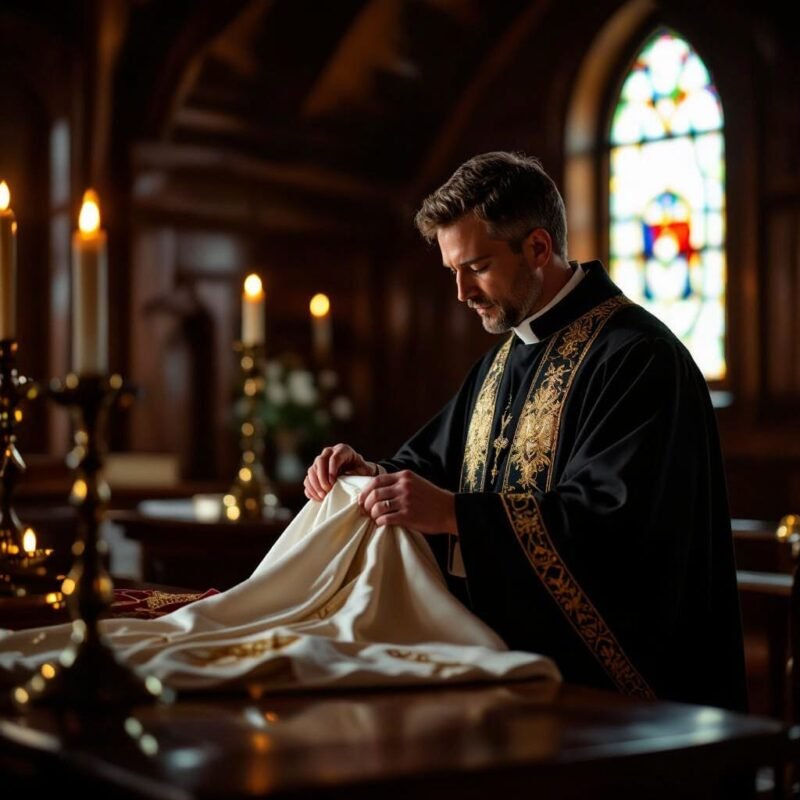
Afterwards, taking care of a clergy wardrobe is to be done purposefully. Gentle cleaning methods prevent damage to the fabric structure and the loss of embroidery detail. Correct hanging is done for the robes and chimeres so that they keep their drape. Stoles and overlays are carefully kept to keep the seams smooth and crisp, as well as the edges.
Many clergy people pick a special place in their study or sacristy where they keep their wardrobe—acknowledging that although these garments are ministry tools, they are also sacred relics of commitment.
For ministers trying to make their wardrobe either bigger or better, the Worship Attires collection of Vestments for Men provides the pieces that are made to last even through years of faithful service, ceremonies, and celebrations.
Conclusion
Putting together a clergy wardrobe is merely a practical task—it is a prayerful one. The purpose of every garment is set. The devotion of every layer is witnessed. Each color reflects a season of God’s story unfolding in the life of the church.
As ministers move through the year—preaching, comforting, guiding, celebrating—their wardrobe becomes part of the sacred rhythm of worship and community. To dress for ministry is to enter the sanctuary with readiness, reverence, and remembrance of the calling God has placed upon one’s life.
May everyone’s sent chosen serve to honor the holy work entrusted to your hands, your voice, and your heart.