


Clergy members are the most esteemed religious persons who help, teach, and lead. They accompany us in the most important moments of our lives, whether through the good times or the bad, giving blessings, comfort, and hope through words. Their clothes, being, and vocation all show a deep-rooted spiritual heritage. Knowing about clergy gives understanding and appreciation for the grace and dedication they represent.
Understanding the Sacred Identity of Clergy Members
Clergy members have been acknowledged, trained, and appointed for the spiritual leadership role. They conduct the service, teach the faith, and support the community. However, every religion has its own version of this role. However, the clergy is still considered to be the heart of their congregation—managing the souls, promoting the oneness, and maintaining the holy values.
In most Christian denominations, the clergy can be called pastors, priests, ministers, bishops, or deacons. Every name denotes a particular position, but the core is still the same: a life committed to serving.
Discover the collection of Clergy Robes for Men and explore the Worship Attires made to celebrate the dignity and grace of the pastoral ministry.
A Brief Historical Journey
The clergy have been around for thousands of years. In the early cultures, some people were selected to run the temples, offer prayers, and keep the sacred knowledge. This was when organized religions were taking shape, and these roles were changing, with scripture, tradition, and the community’s factors in the changes.
Eventually, formal education and ordination became more common so that clmembers would always be spiritually wise, morally character, and devoted to God.
The most common way of preparation is surrender, which necessitates theological education, mentorship, and ongoing spiritual formation. The service life of clergy, which has different practices according to various denominations, has been at the same center point of leading others to faith, hope, and truth.
Titles and Spiritual Roles Across Faiths
What we call clergy members often depends on the religious tradition:
- Pastor / Minister – Christian leaders who shepherd congregations and share scriptural teachings.
- Priest – In Catholic, Anglican, and Orthodox churches, priests administer sacraments and lead liturgy.
- Rabbi – Jewish spiritual teachers who guide through scripture and community life.
- Imam – Muslim leaders who lead prayer and provide spiritual guidance.
- Monks, Nuns, or Religious Brothers/Sisters – Those who commit to prayer, service, and spiritual discipline.
- Gurus or Swamis – Spiritual teachers in Hindu and other Indian religious traditions.
Though the visible forms of these roles are different, their main purpose is the same: to uplift and guide the faithful.
The Daily Work of Clergy Members
The responsibilities of clergy members cover various areas—their work includes spiritual, emotional, communal, and ceremonial.
Leading Worship
Clergy members conduct services that bring together worshippers in prayer, scripture, song, and contemplation. Their voice becomes a means of communicating sacredness, thus helping individuals and communities experience God.
Performing Life’s Sacred Events
Clergy are present with us in significant life events:
- Baptisms and Dedications
- Weddings
- Funerals and Memorial Services
- Confirmations and Ordinations
These rituals highlight the aspects of community, continuity, and belonging that the church has.
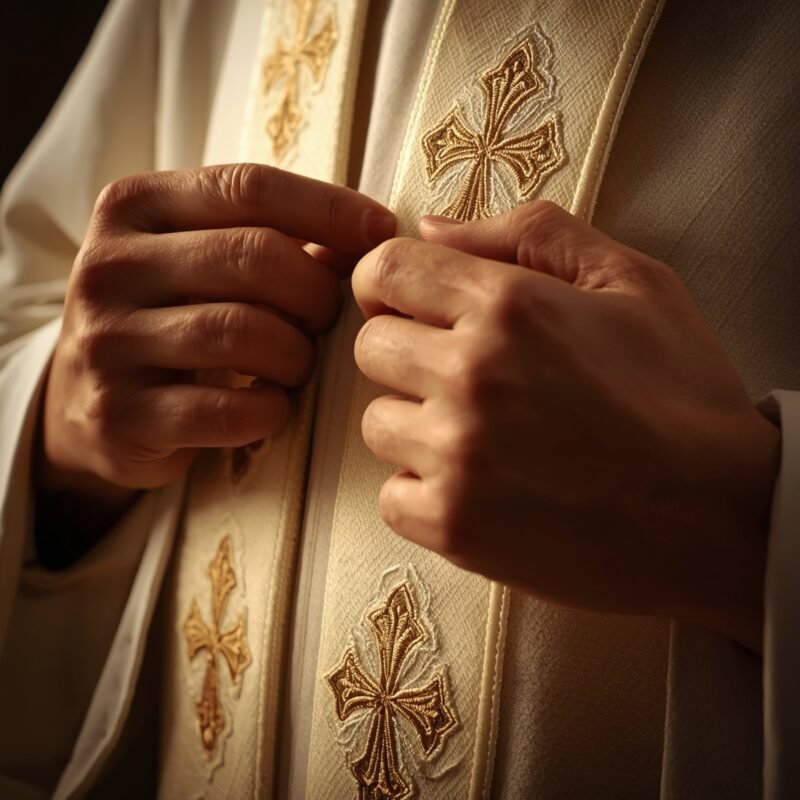
Offering Guidance and Pastoral Care
Clergy members are usually the ones who provide counseling during times of grief, sickness, conflict, or doubt. The gifts the clergy bring to those in need are the clarity, peace, and reassurance of their presence.
Teaching and Spiritual Formation
Through various means such as sermons, the study of the Bible, catechism, and pastoral teaching, the clergy greatly impact people’s understanding and faith roots.
Serving the people
In many cases, clergy carry out their ministries in very practical ways like leading outreach programs, providing food support, mentoring the youth, or advocating for the poor—faith expressed through kindness.
Find timeless Clergy Suits for Men at Worship Attires, which are designed to support ceremonial presence and daily ministry comfort.
The Significance of Clergy Garments
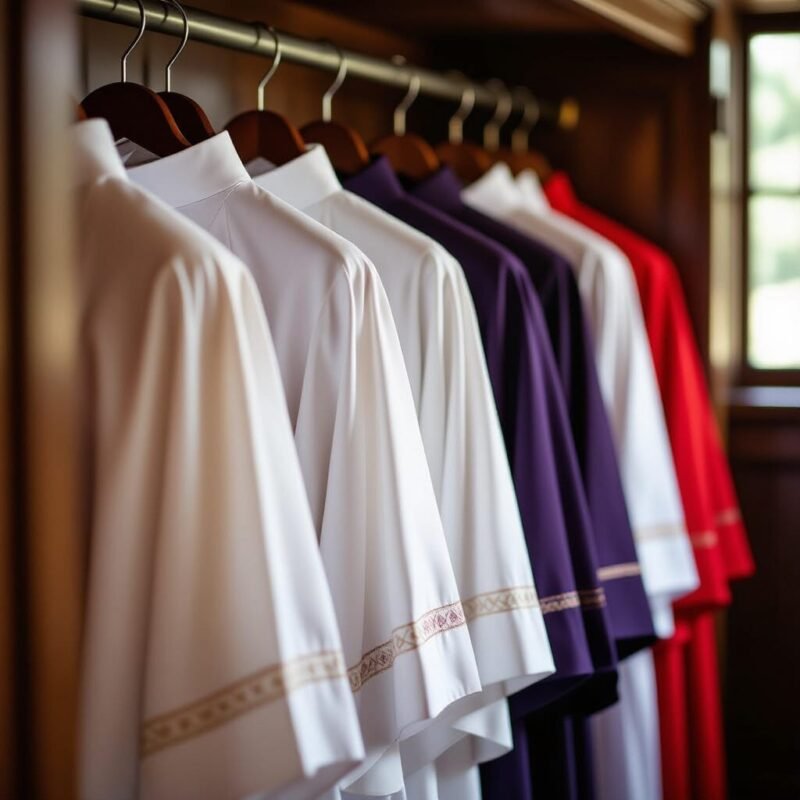
Clergy attire is not just a matter of clothing—it is the sign of a person’s call to service—the person’s simplicity indicates the burden of the ministry. The surplice stands for purity and faithfulness. The list goes on—every thread has its own meaning.
Clergy from the best materials have guaranteed that:
- Maintains the highest dignity in worship settings.
- Support comfort through long hours of ministry.
- Reflect respect for the sacred role the clergy fulfill
Clergy attire, being both functional and symbolic, and choosing robes and vestments that skillfully combine elegance and durability, is important.
How One Becomes a Clergy Member
While the routes may vary, the majority of the clergy journeys include
- A Sense of Calling – A personal conviction towards spiritual service.
- Study and Formation – Learning about theology, pastoral care, and sacred traditions.
- Mentorship or Apprenticeship – Getting real ministry experience.
- Ordination or Appointment – A formal recognition from a religious body.
The journey, however, does not finish at this point—clergy continually grow in wisdom through prayer, practice, and lifelong learning.
The Lasting Impact of Clergy Service
Clergy are often the quiet strength of their communities. They surround the grieving with love, give hope to the discouraged, provide knowledge to the inquiring, and share happiness with the joyful.
The clothing of the clergy, which has been selected with care and worn with respect, forms a part of their ministry—the visible sign of the holy duty they have taken upon themselves.
Our Robes & Cassocks for Men are timeless classics: elegant, modern, and well-made.

Conclusion
Clergy members are not only leaders, they are heart shepherds, partners in pain, holders of joyous lives, and maintainers of holy tradition. Their vocation is situated at the point where faith meets humanity. While preaching, teaching, giving counsel, and serving, they are agents of grace who influence society and strengthen the lives around them.
May we recognize and appreciate the devotion they bring—and may the garments they wear continue to represent the dignity of the calling they honor every day.
