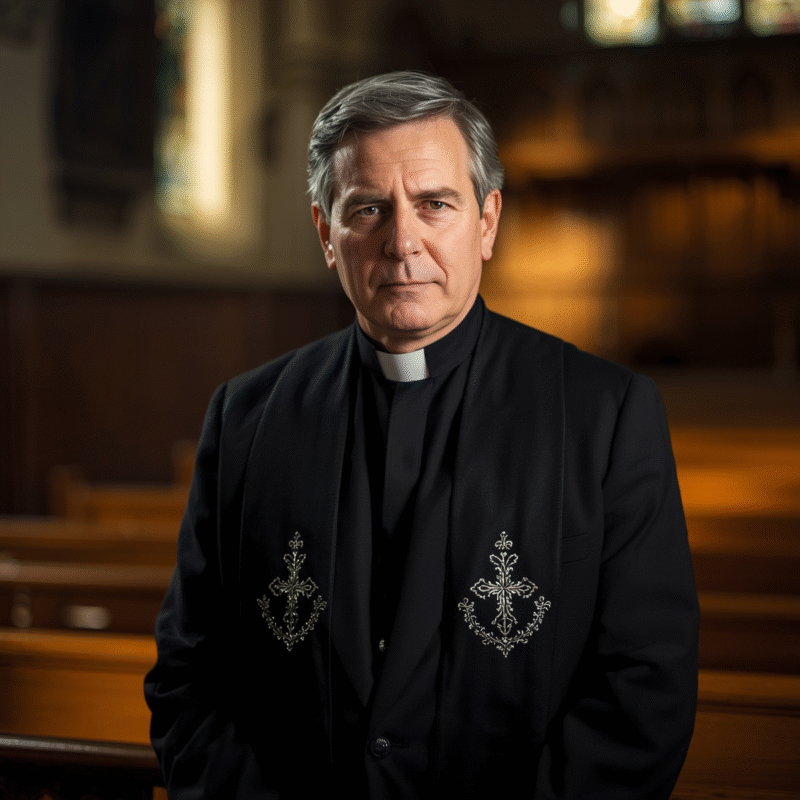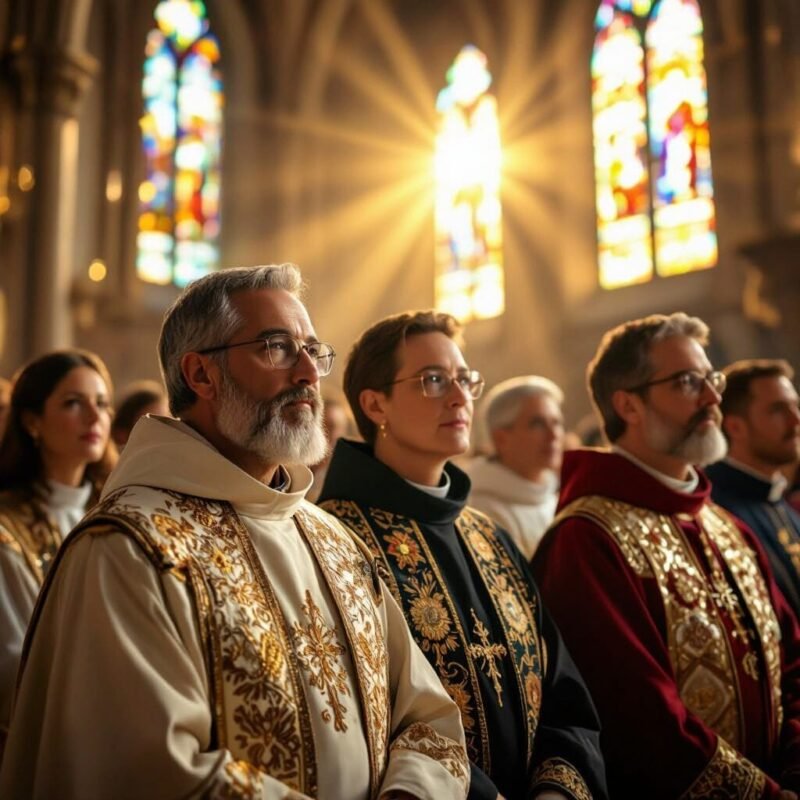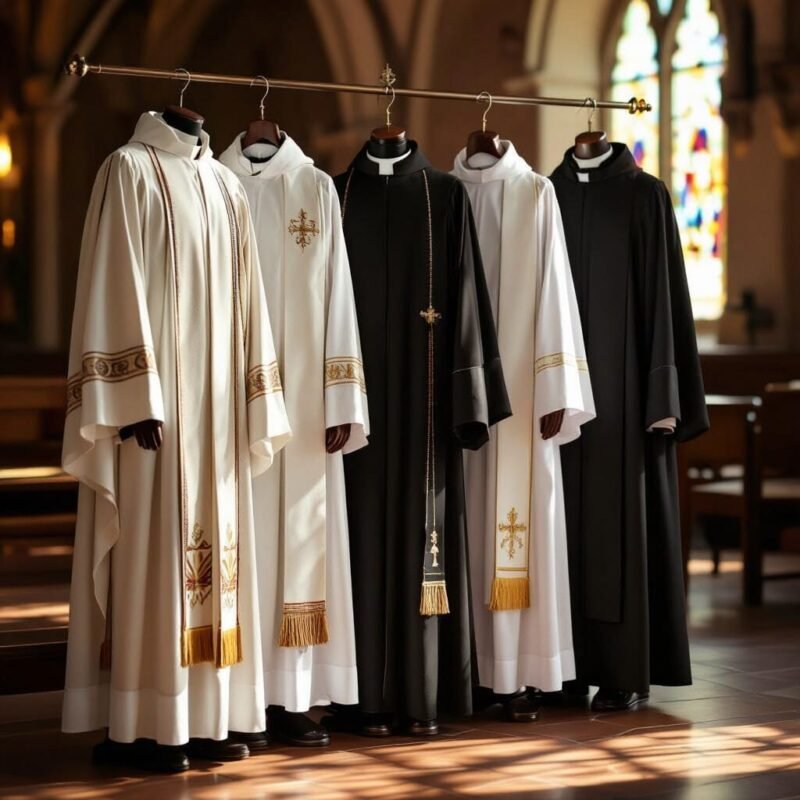


From the hushed stages of service preparation to the holy instant before the congregation, each component of a church vestment is infused with significance. These garments are functional and theatrical representations of faith, custom, and respect. Through the ages of worship, church vestments have become symbols that surpass the material — narrating stories of meekness, ministry, and heavenly grace. Church vestments are not just garments; they represent the rich tapestry of faith woven into the fabric of worship.
Unravelling the Origins of Church Vestments
Understanding the evolution of church vestments is essential for appreciating their role in modern worship. The narrative of liturgical vestments goes back to the ancient times of Christianity, when clergy were dressed in common Roman outfits during religious ceremonies. As the number of believers increased, these garments gradually took on a sacred character. The change signified a crucial point in the church’s history — the time when the faithful dressed up and, by that, literally declared allegiance and unity. Throughout history, the vestments were tuned to express the theological perception and the nobility of the sacrosanct occupations. Each church vestment serves as a reminder of the duties and responsibilities bestowed upon the clergy.
The Threads of Love and Faith in Each Vestment
Every church vestment has a rich symbolic meaning beyond the simple fact of being beautiful to the eye. The cassock, worn under other robes, denotes the discipline and simplicity of the spirit. The stole, usually embroidered or decorated with crosses, evokes the yoke of Christ — a signal of the priest’s duty to lead with gentleness and humility. Wearing church vestments, the clergy can express their vocation and commitment to their faith community.
In contrast, the chasuble, the outermost garment, symbolizes charity and love. Its colour frequently changes according to the liturgical calendar, thus demarcating the church’s seasons by changing colours. White denotes purity and resurrection, red symbolizes the Holy Spirit’s fire, purple is the colour of penance and preparation, and green means faith’s hope and growth. The design and materials of church vestments play a crucial role in their overall impact during services.
Every robe’s artistry and devotion are to be explored—visit our exclusive collection of liturgical vestments for men, where each design is an ode to the tradition while giving a nod to modern craftsmanship.
From Craftsmanship to Calling: How Vestments Are Made
The making of a vestment is a spiritual process in itself. Each stitch, fold, and seam is guided by centuries of craftsmanship. Skilled artisans select fine fabrics, often rich in texture yet soft to wear, ensuring durability through repeated use in worship. Embroidery patterns — whether crosses, lilies, or other sacred motifs — are carefully hand-applied, symbolizing faith woven into every detail.
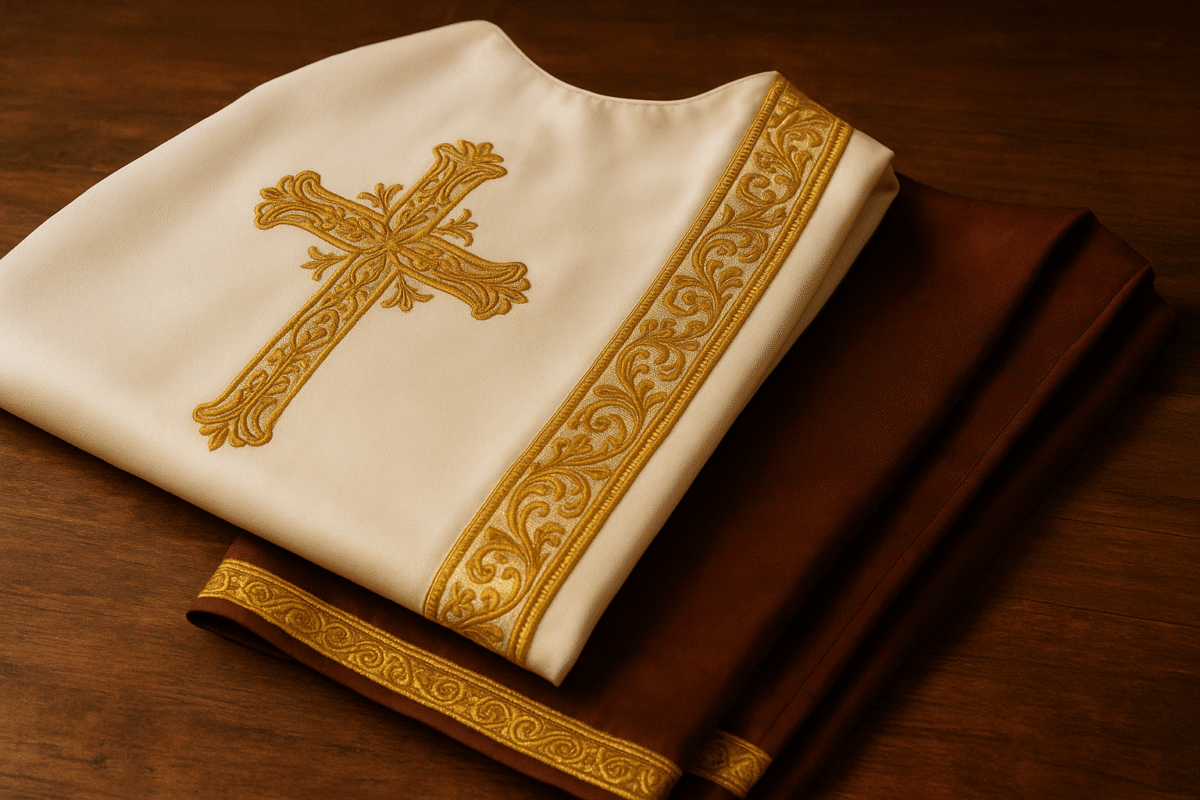
Today’s Worship Attires collection blends this timeless artistry with precision tailoring. Each robe reflects the heritage of liturgical dress and the modern comfort that clergy members need during long services. The result is a garment that feels as sacred as it looks and allows every minister to serve with confidence, comfort, and grace.
Vestments as Symbols of Unity and Authority
Beyond the personal symbolism, the church vestments create unity among the clergy and the congregation. When worn, they remind the wearer and observer that worship is not about individual status but divine service. The vestment becomes an equalizer — transforming the priest, bishop, or deacon into a representative of the sacred. Historically, church vestments have maintained their relevance and importance in worship settings. Inquiries about church vestments often highlight their role in religious ceremonies and observances.
This deep symbolism is why clergy clothing must be crafted with care and respect. Donning a vestment is proclaiming one’s calling, not the desire for recognition—an act of humility that links contemporary worship to the ancient faith traditions.
If you want garments that bear spiritual significance and have a great design, check out our Worship Attires Men’s Clergy Robes Collection, which is intended for leaders who already exemplify grace.
How Modern Vestments Preserve Ancient Traditions
The world is changing fast, but the function of vestments remains the same — to connect the divine and the earthly. Modern robes might be made with elven fabrics, breathable fabrics, and innovative materials, but the spiritual message remains. The lasting allure of liturgical clothing is connected to its beingness. Whether made from silk, wool, or linen, they represent the unbreakable bond between devotion and design — between faith and the artistic expression of it.
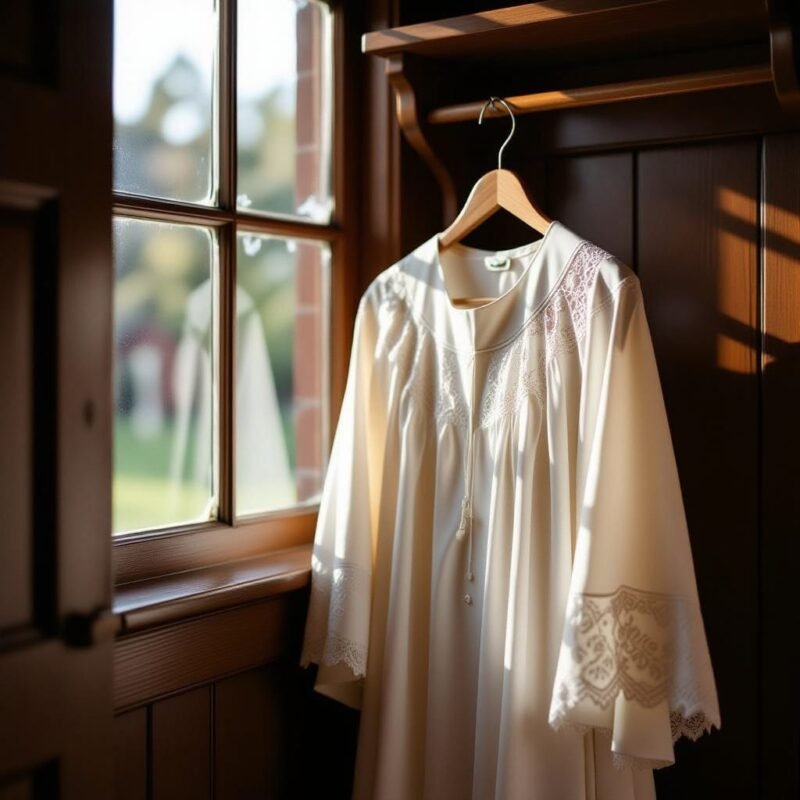
Revitalize your ministry wardrobe with our Women’s Clergy Robes and Cassocks Collection — beautiful manifestations of faith that are easy to wear and provide the ceremonial grace you desire.
The Enduring Power of Sacred Dress
The church vestments exhibit religious attire and sacred stories told through the garments. Each piece of clothing can be traced back to more than one hundred years of spiritual practice, the excellence of art, and the power of religion. The clergy and the worship leaders become daily reminders of the greater mission: to serve with faith and lead with respect.
Worship Attires is a brand that supports the notion of sacred legacy. The company is committed to producing vestments transcending faith, worship, and divine beauty through skill, respectful design, and meticulous care of every detail.
Visit the Worship Attires Collection to see and feel the union of tradition and craftsmanship — each robe narrates the story of grace, faith, and enduring respect.
Frequently Asked Questions
1. What is the meaning behind clergy robes?
Clergy robes are symbols of their devotion to God, their humbleness, and the holy duty that comes with their ministry. Every colour and design has a meaning, and it is all based on Christian tradition.
2. Why are the liturgical colours so important?
The liturgical colours represent the Church calendar’s seasons and feasts, thus visually representing the year’s spiritual journey.
3. What is the uniqueness of Worship Attires?
Worship Attires unites heritage artistry with the luxury of premium materials, thus making the investment one that beautifies and dignifies its divine purpose.